The Cruel Truth of Alchemy: Why Fullmetal Alchemist is a Philosophical Masterpiece
"To obtain, something of equal value must be lost." We analyze the core philosophy of Fullmetal Alchemist and how Edward Elric breaks the ultimate law of the universe.
"Humankind cannot gain anything without first giving something in return."
This is the Law of Equivalent Exchange, the foundational rule of alchemy in Fullmetal Alchemist: Brotherhood. At first glance, it sounds like a fair, almost comforting rule. If you put in the effort, you get the reward. It’s the ultimate meritocracy.
But Hiromu Arakawa wrote a masterpiece specifically to tear this law to shreds.
The Lie of Fairness Edward and Alphonse Elric learn the hard way that the universe is not a transaction. They gave everything—their bodies, their childhood, their innocence—to bring their mother back. By the Law of Equivalent Exchange, they should have succeeded. But they got a horrific monster instead.
The tragedy of the series is watching Edward realize that life isn't an equation. A little girl like Nina Tucker didn't do anything to deserve her horrific fate. The victims of the Ishvalan war didn't "exchange" their lives for a greater good. The law of alchemy is a coping mechanism humans invented to make a chaotic, unfair universe feel controllable.
The Real Exchange The brilliance of the ending is how Edward finally beats the system. He doesn't find a loophole in alchemy; he gives it up entirely. He sacrifices his ability to use magic—his power, his identity—just to get his brother's human body back.
He proves that human connection is worth infinitely more than the laws of science. It is a profound, beautifully written conclusion that elevates FMA from a simple action show to a true philosophical epic.
You Might Also Like
View All→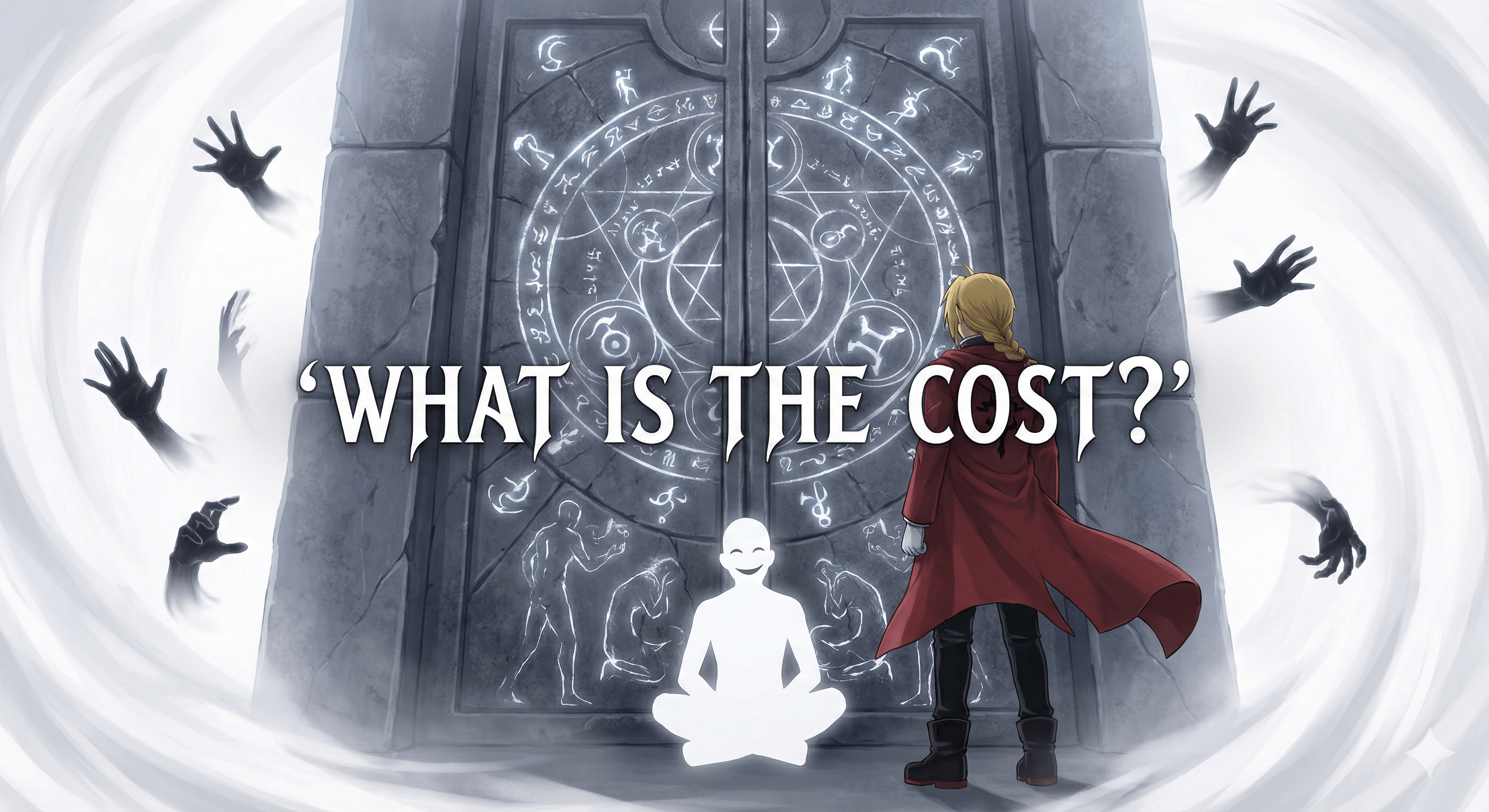
The Price of Truth: Why Fullmetal Alchemist is the Perfect Story
Is "Equivalent Exchange" a law of the universe, or a lie? We analyze the philosophy of Hiromu Arakawa’s Fullmetal Alchemist, the corruption of the Seven Deadly Sins, and why the ending is the most satisfying in anime history.
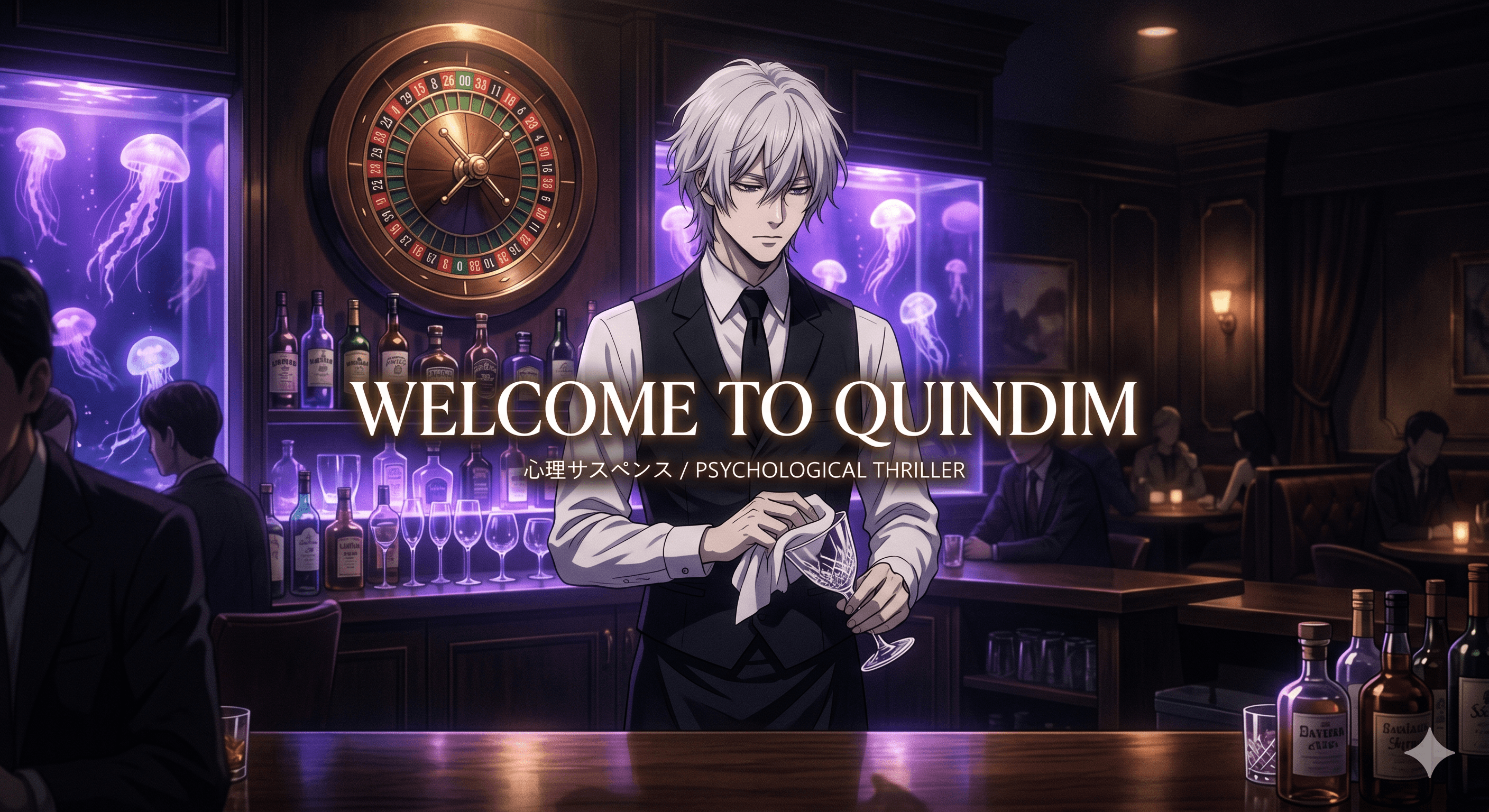
How Do We Judge a Soul? The Morality of Death Parade
When you die, you go to a bar to play a game. We explore the psychological depth of Death Parade, the flaw of absolute judgment, and the beauty of human emotion.

"I Have No Enemies": Why Vinland Saga is the Antidote to Modern Shonen
Most anime teach you to fight harder. Vinland Saga teaches you that fighting is pointless. We analyze Thorfinn’s journey from a rage-filled viking to a true warrior, and why his philosophy is life-changing.
📚 Enjoying our content? Explore by category or browse all articles