"I Have No Enemies": Why Vinland Saga is the Antidote to Modern Shonen
Most anime teach you to fight harder. Vinland Saga teaches you that fighting is pointless. We analyze Thorfinn’s journey from a rage-filled viking to a true warrior, and why his philosophy is life-changing.
The Lie of Violence
In 99% of action anime, violence is the solution. Is there a bad guy? Punch him harder. Need to save the world? Unlock a new transformation. We are addicted to the hype of the battle.
And then comes Vinland Saga, a story that starts with some of the best action animation you’ve ever seen, only to pull the rug out from under you and say: "This is all wrong."
Makoto Yukimura’s masterpiece isn't just a viking story. It is a deconstruction of masculinity, revenge, and what it truly means to be strong.
The Prologue: A Screaming Child
To understand Thorfinn’s greatness, we must first witness his fall. Season 1 (The Prologue) gives us a protagonist driven purely by hatred. Young Thorfinn is undeniably "cool" in the traditional anime sense—he’s fast, deadly, and angry.
But the narrative doesn't glorify him; it pities him. He is a slave to his own rage, manipulated by Askeladd (one of the best antagonists in fiction) for over a decade. He has no identity outside of killing.
When his reason for living is taken away, he becomes an empty shell. This is where most stories would end. For Vinland Saga, this is just the tutorial.
Farmland Saga: The Masterpiece
Season 2 (often jokingly called "Farmland Saga") is where the filter separates the casual viewers from the true fans. The swords are gone. The battles are replaced by chopping trees and planting wheat.
And it is beautiful.
Here, Thorfinn has to learn how to create instead of destroy. He is haunted by the ghosts of the men he killed. He realizes the weight of a human life. The moment he declares, "I have no enemies," is infinitely more powerful than any Super Saiyan transformation.
It is a radical statement in a world (and a genre) obsessed with conflict. It challenges us, the viewers, to let go of our own petty grudges.
Experience the Art: The anime is great, but Yukimura’s manga art in the later arcs is gallery-worthy. The detail in the landscapes and expressions is unmatched. The Deluxe Hardcover Editions are the definitive way to read this. Start with Book 1.
A True Warrior Needs No Sword
The ultimate lesson of Vinland Saga is that violence is the easy way out. It takes zero effort to lash out in anger. It takes immense strength to take a hit, talk it out, and choose peace.
Thors, Thorfinn’s father, knew this from the start: "A true warrior doesn't need a sword."
It took Thorfinn years of suffering to understand his father. Watching him finally get there is arguably the most satisfying character arc in manga history.
Conclusion: Read It Before You Die
Vinland Saga is more than entertainment; it’s philosophy. It’s a story that stays with you when you’re dealing with difficult people in real life, reminding you that you don’t have to be enemies.
If you want a story that respects your intelligence and challenges your worldview, this is it.
Build Your Valhalla: The hardcover collections look incredible on a shelf (and are very durable). Grab the Vinland Saga Deluxe Hardcover Vol. 1 on Amazon.
Do you prefer the war of Season 1 or the peace of Season 2? Let’s discuss in the comments below.
You Might Also Like
View All→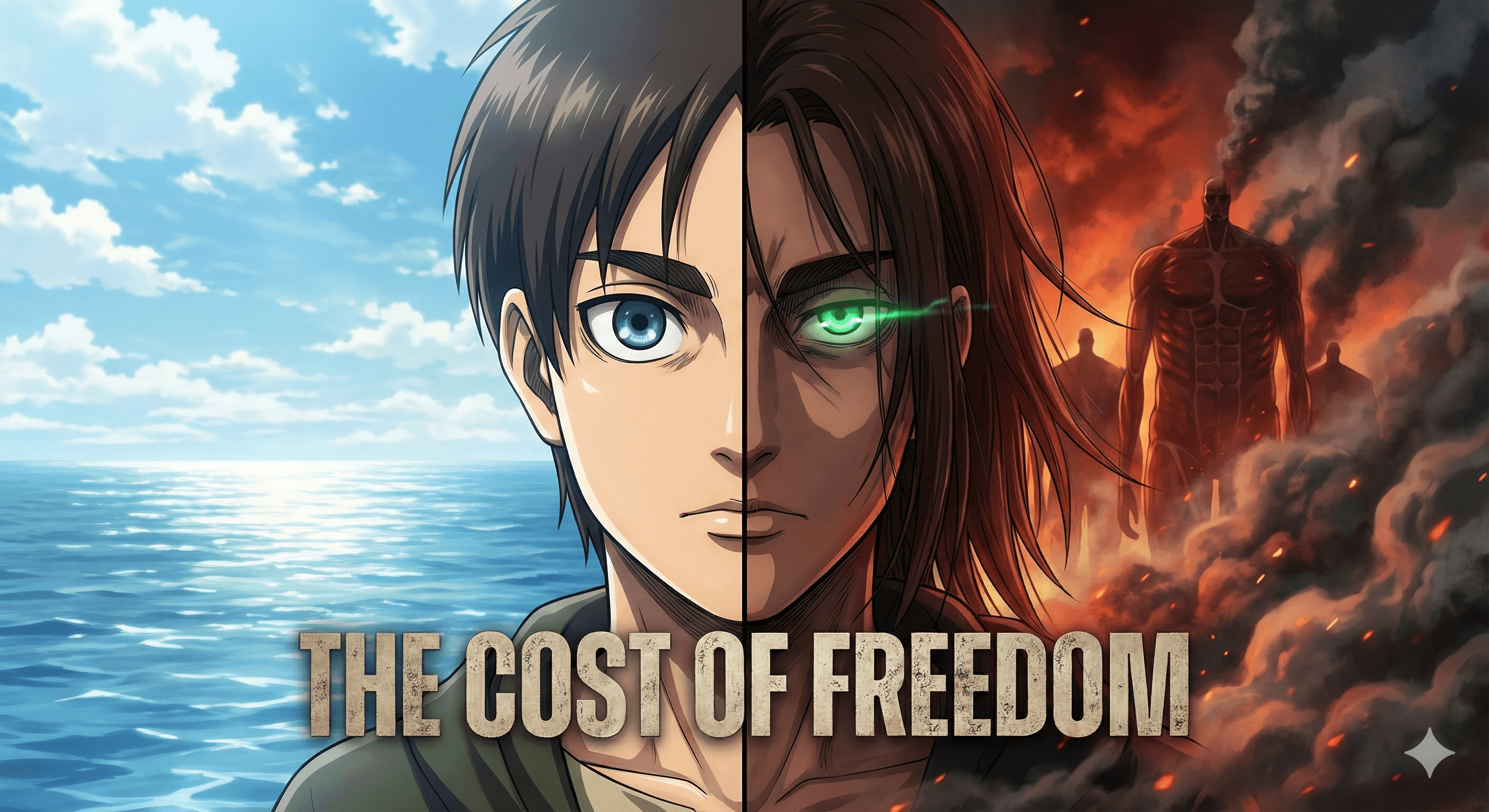
The Tragedy of Freedom: Was Eren Yeager Right? A Deep Dive into Attack on Titan
Years later, the ending of Attack on Titan still divides the internet. In this deep analysis, we explore the philosophy of Eren Yeager, the cycle of hatred, and whether the Rumbling was a monstrous necessity or a tragic mistake.
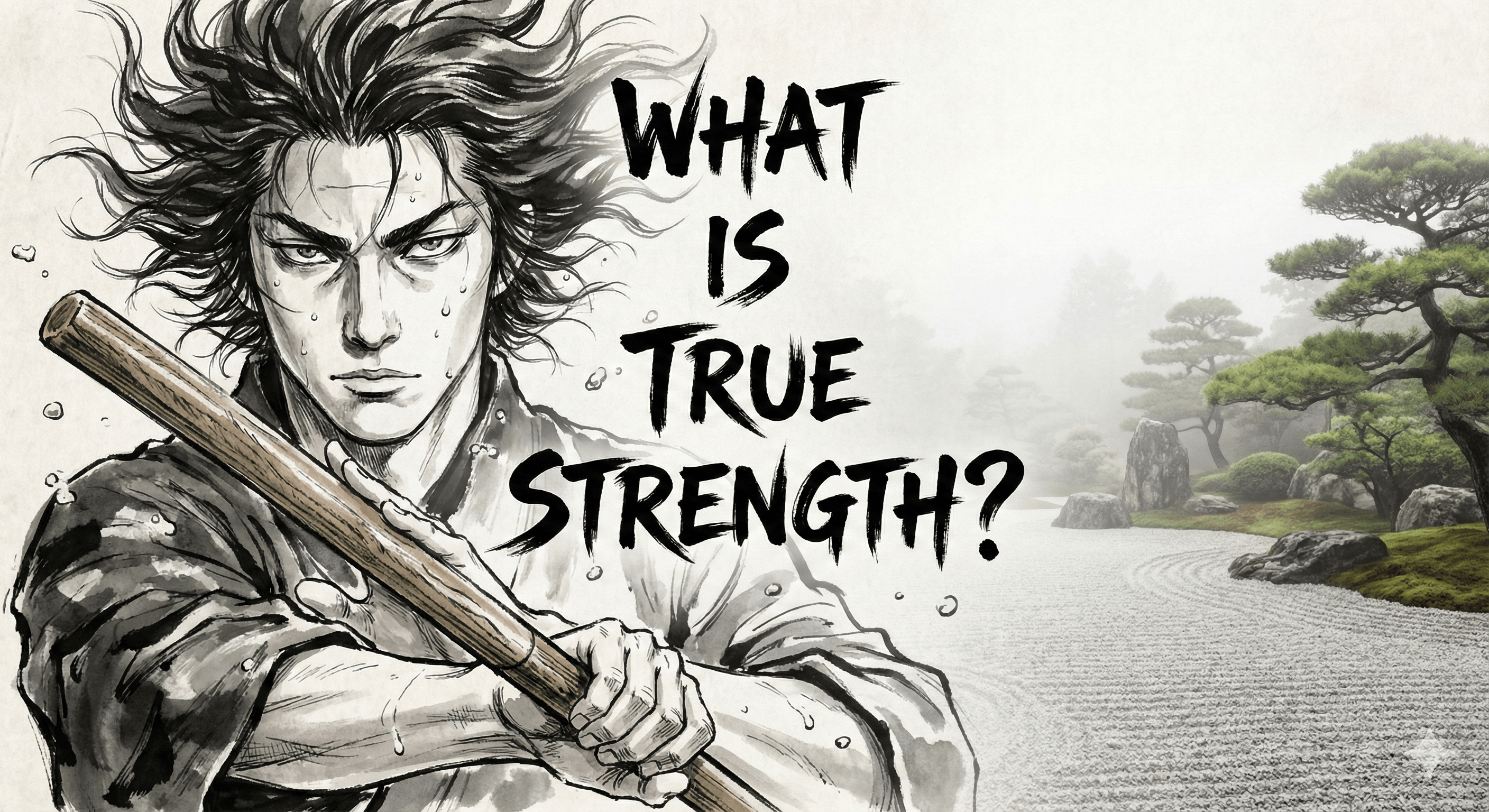
"Invincible is Just a Word": The Philosophy of Strength in Vagabond
Is true strength about killing your enemies, or conquering yourself? We analyze Takehiko Inoue’s masterpiece Vagabond and Miyamoto Musashi’s journey to understand why "Invincible" is nothing but a heat haze.
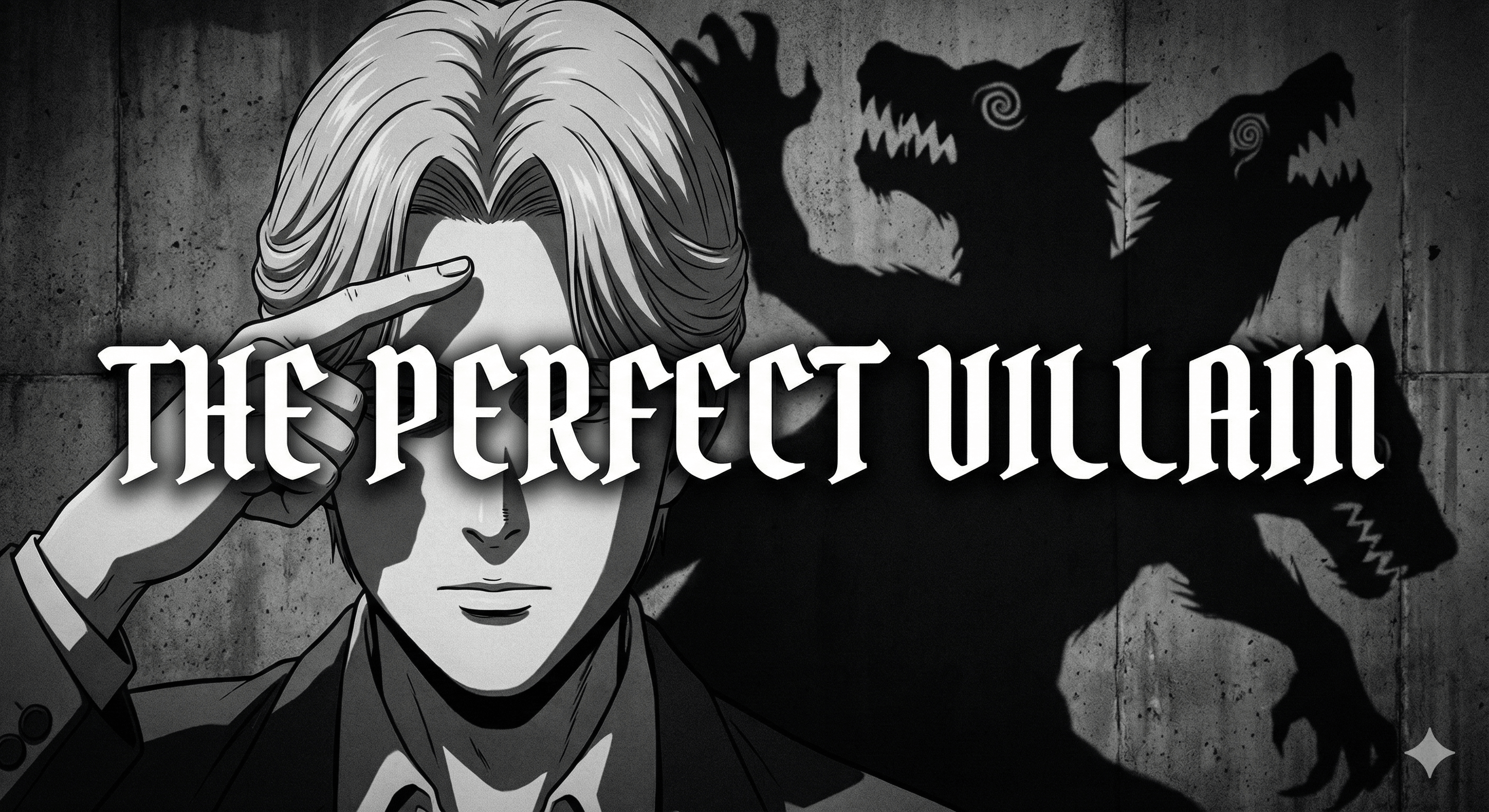
The Monster Inside Us: Why Johan Liebert is the Scariest Villain in Anime History
He has no superpowers. He doesn't scream. He just talks. We analyze Naoki Urasawa's masterpiece Monster and dissect the terrifying psychology of Johan Liebert to answer one question: Is evil born or made?
📚 Enjoying our content? Explore by category or browse all articles