The Tragedy of Freedom: Was Eren Yeager Right? A Deep Dive into Attack on Titan
Years later, the ending of Attack on Titan still divides the internet. In this deep analysis, we explore the philosophy of Eren Yeager, the cycle of hatred, and whether the Rumbling was a monstrous necessity or a tragic mistake.
Beyond Good and Evil
Most Shonen anime are simple. You have a hero with a dream, a clear villain, and a path to victory. Attack on Titan (Shingeki no Kyojin) is not that story. It is a brutal mirror held up to human history, asking uncomfortable questions about war, racism, and the terrifying cost of "freedom."
Now that the dust has settled on the finale, we need to talk about the elephant—or rather, the Titan—in the room. Eren Yeager.
Is he one of the greatest villains in fiction? A tragic hero? Or simply a monster? Let’s dissect the masterpiece that Hajime Isayama left us.
The Cage of Birth
The brilliance of Attack on Titan lies in its perspective shift. For three seasons, we are conditioned to believe that Eren is the righteous victim. He is fighting monsters to save humanity. We cheer for his rage.
But when the basement is opened and the truth of Marley is revealed, the genre shifts from "Survival Horror" to "Political War Drama."
Eren’s philosophy boils down to one radical belief: "I was born into this world." He believes that the sheer act of existing gives him the right to be free, and anyone who tries to take that freedom—whether it's a Titan or the entire world population—forfeits their right to live.
It’s a terrifyingly absolute logic. And it forces us, the audience, to ask: At what point does self-defense become genocide?
The Cycle of Hatred (and Why It Never Ends)
The core theme of the series isn't Titans; it's the Cycle of Hatred.
- Marley oppresses Eldia because of history.
- Eren destroys Marley because of oppression.
- Gabi kills Sasha because Eren destroyed her home.
Isayama masterfully shows that there are no "good guys" in war. Gabi Braun is written specifically to be a mirror of young Eren—loud, angry, and indoctrinated. We hate her initially, only to realize she is exactly who we cheered for in Season 1.
This nuance is what elevates Attack on Titan above 99% of other anime. It refuses to give you an easy answer.
Read the Details: The anime is fantastic, but the manga contains subtle dialogue and political details that flesh out this conflict even more. The Colossal Editions are the best way to own this history. Grab Vol. 1 on Amazon.
The Ending: A Beautiful Mess
We can't analyze this series without addressing the controversial finale. Without spoiling the exact mechanics for new viewers, the ending leaves a bitter taste. It suggests that conflict is inevitable. As long as there are two humans left alive, they will find a reason to fight.
Many fans hated this. They wanted a "happy ending" or a complete victory for Eldia. But a happy ending would have betrayed the show's thesis. Attack on Titan was never a fairy tale. It was a tragedy from the first episode.
Eren was not a god. He was, as he admitted, "a garden-variety idiot who got his hands on too much power." He became a slave to his own obsession with freedom.
Conclusion: A Modern Classic
Whether you think Eren was right to do what he did to protect his friends, or if you think he is an irredeemable monster, one thing is undeniable: Attack on Titan is a masterpiece.
It challenges us to think about our own world. About propaganda, war, and the "Others" we are taught to hate.
If you have only watched the anime, I highly recommend reading the manga to see Isayama’s raw, scratchy art style evolve into one of the most distinctive looks in the industry.
Complete Your Collection: The Box Sets make for a stunning display on any shelf. Get the Attack on Titan Season 1 Part 1 Box Set on Amazon.
Let's settle this in the comments: Was Eren justified? Or did he go too far? Leave your analysis below!
You Might Also Like
View All→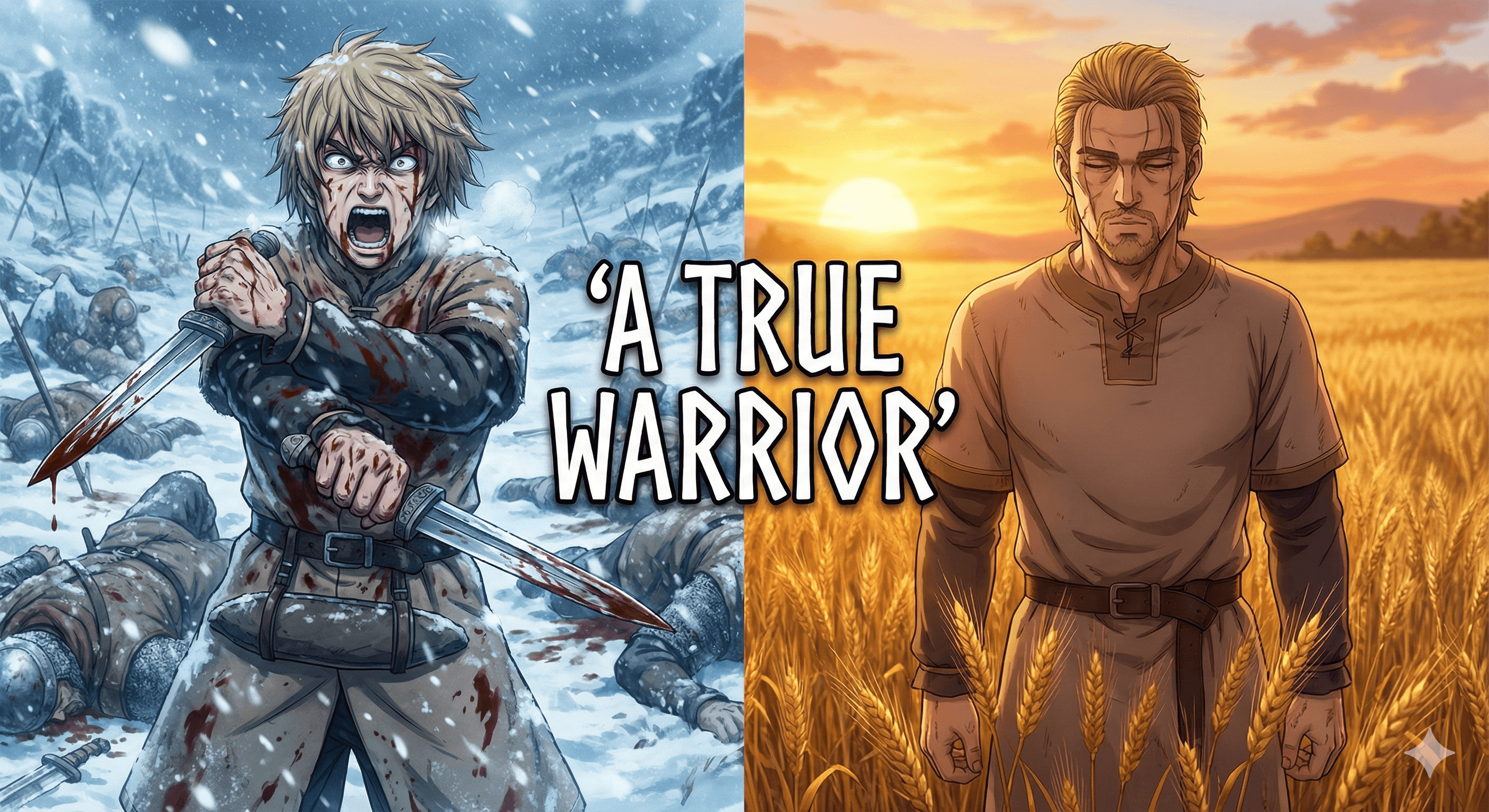
"I Have No Enemies": Why Vinland Saga is the Antidote to Modern Shonen
Most anime teach you to fight harder. Vinland Saga teaches you that fighting is pointless. We analyze Thorfinn’s journey from a rage-filled viking to a true warrior, and why his philosophy is life-changing.
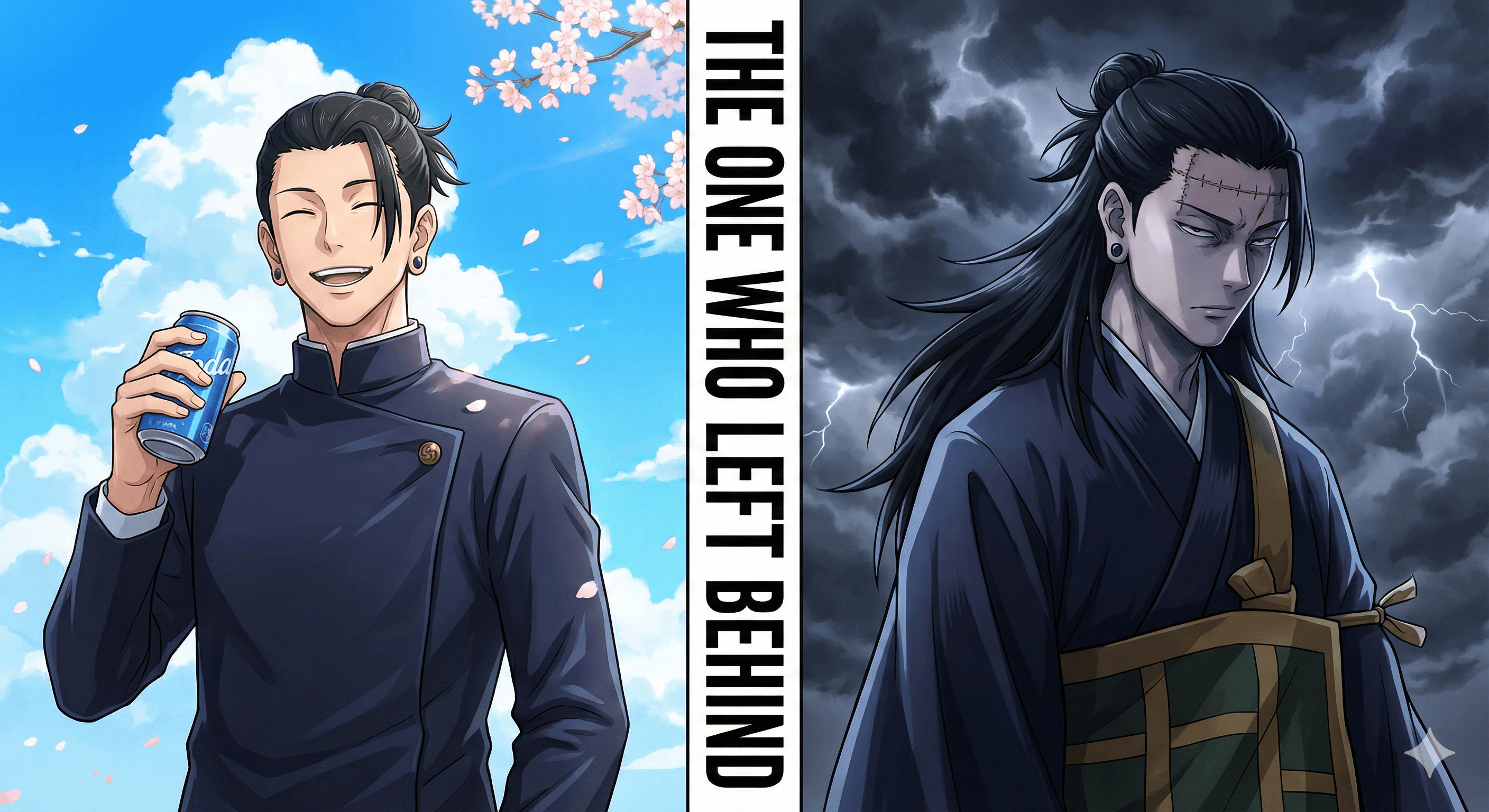
The Tragedy of Geto Suguru: When Being "The Strongest" Isn't Enough
"Are you the strongest because you are Gojo Satoru? Or are you Gojo Satoru because you are the strongest?" We analyze the heartbreaking descent of Geto Suguru and why he is the most tragic villain in Jujutsu Kaisen.
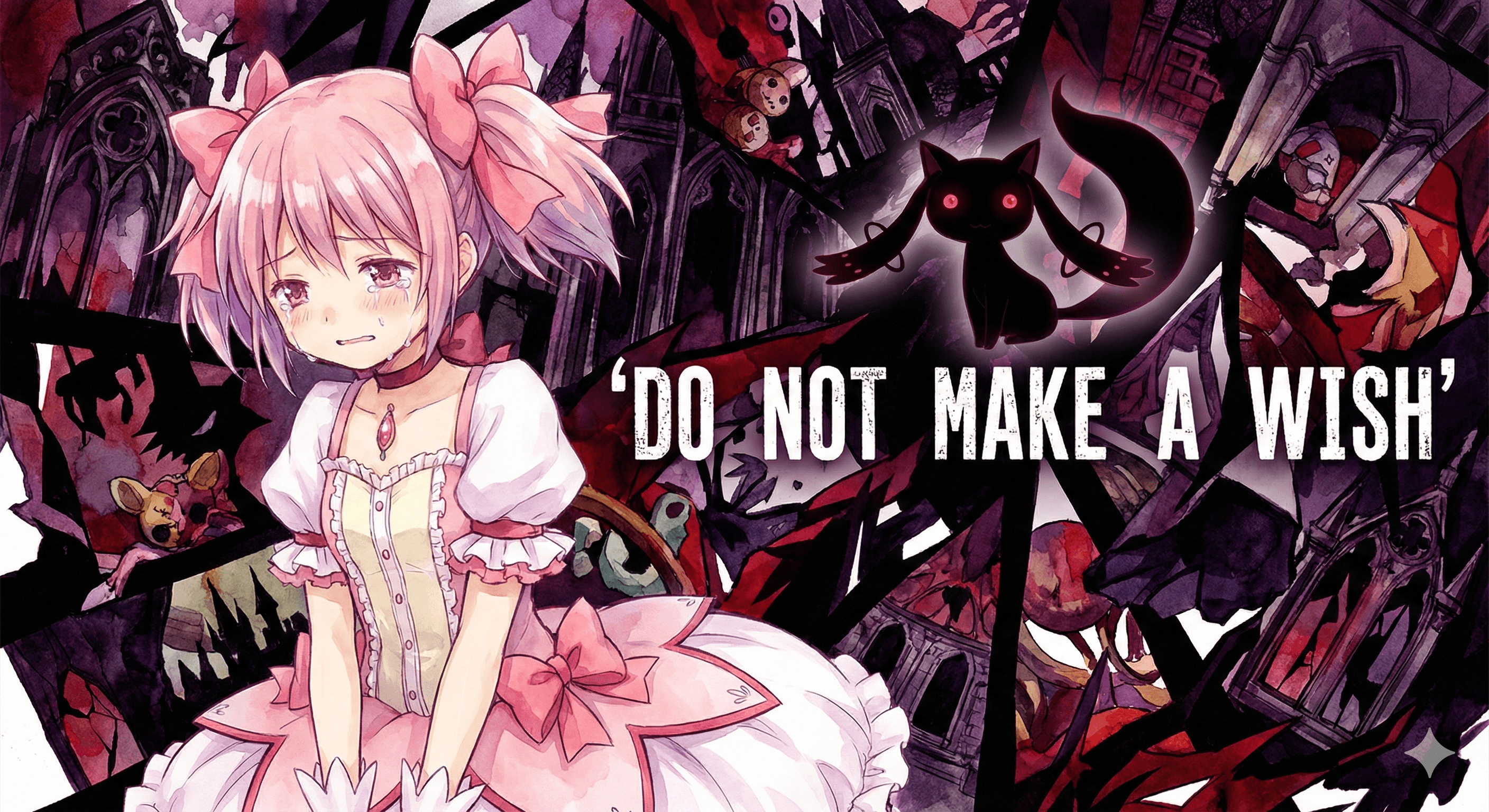
The Cost of a Miracle: Why Madoka Magica is Not for Kids
Don't let the cute dresses fool you. Puella Magi Madoka Magica is a brutal critique of the genre, exploring the terrifying philosophy of Utilitarianism through the eyes of Kyubey. Being a magical girl is not a dream; it’s a contract.
📚 Enjoying our content? Explore by category or browse all articles