How Do We Judge a Soul? The Morality of Death Parade
When you die, you go to a bar to play a game. We explore the psychological depth of Death Parade, the flaw of absolute judgment, and the beauty of human emotion.
Do not be fooled by the incredibly upbeat and funky opening theme song ("Flyers"). Death Parade by Studio Madhouse is one of the most intense psychological anime ever created.
The premise is brilliant: When two people die at the same time, they are sent to a mysterious bar. The bartender, an Arbiter, forces them to play a randomly selected parlor game (darts, billiards, air hockey) with their lives seemingly on the line. The extreme stress of the game draws out the darkness in their souls, allowing the Arbiter to judge whether they go to reincarnation or the void.
The Flaw in the System At first, the system seems flawless. Bad people cheat in the games and go to hell; good people sacrifice themselves and go to heaven.
But as the series progresses, the story introduces a profound philosophical critique: Can you truly judge a human soul by torturing it? If you put a good person in a desperate, terrifying situation and push them until they break, the darkness they show isn't their true nature—it’s just a survival instinct. The Arbiters, who possess no human emotions, are fundamentally unqualified to judge humans because they do not understand fear, love, or regret.
Decim's Awakening The core narrative follows Decim, an Arbiter who slowly learns to feel emotions thanks to his human assistant. Watching a soulless doll slowly realize the weight of the lives he is judging is heartbreaking.
Death Parade isn't a show about punishment. It’s an exploration of empathy. It teaches us that human beings are too complex, too flawed, and too beautiful to be judged by a simple game of darts.
You Might Also Like
View All→
"I Have No Enemies": Why Vinland Saga is the Antidote to Modern Shonen
Most anime teach you to fight harder. Vinland Saga teaches you that fighting is pointless. We analyze Thorfinn’s journey from a rage-filled viking to a true warrior, and why his philosophy is life-changing.
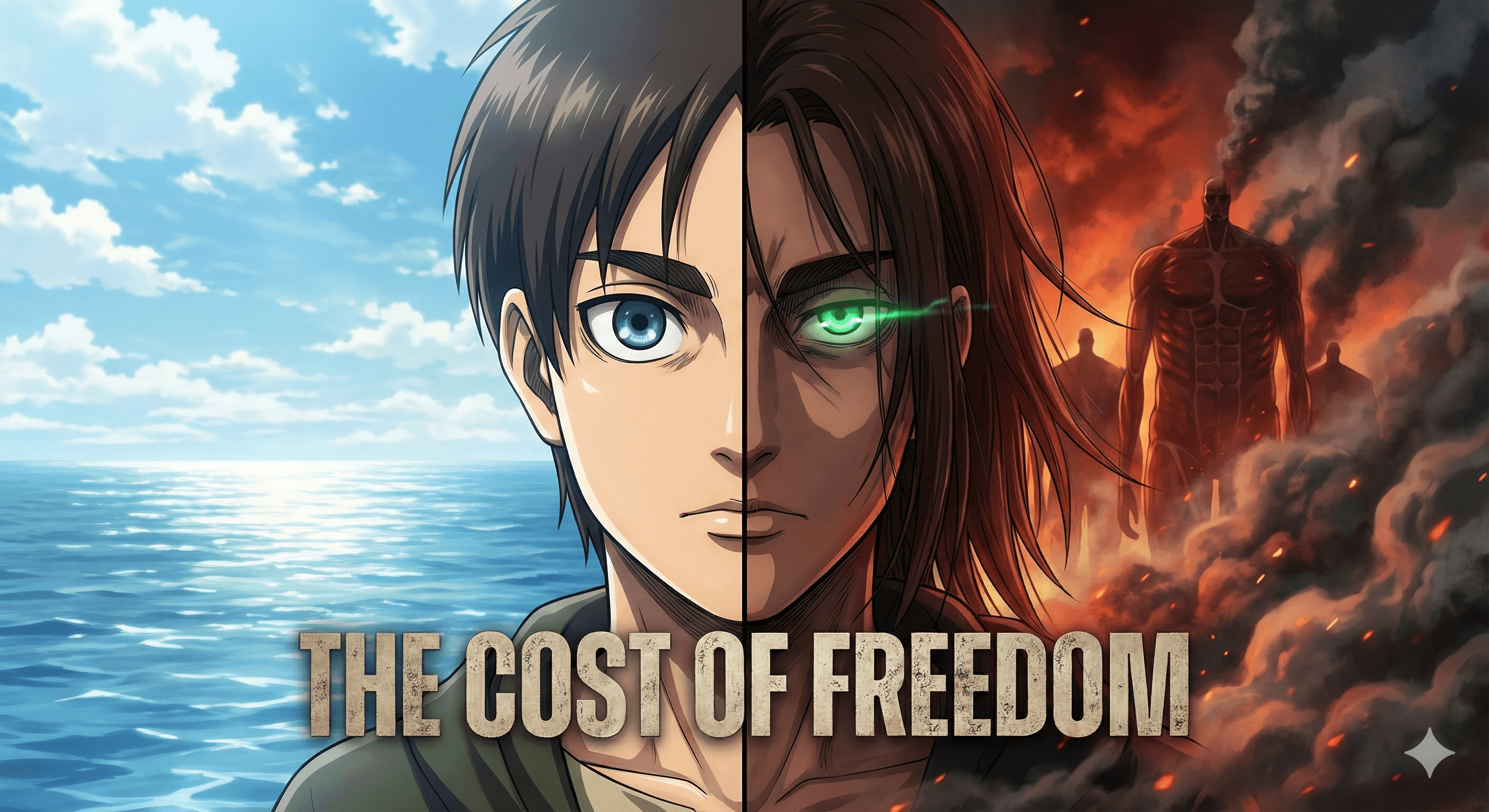
The Tragedy of Freedom: Was Eren Yeager Right? A Deep Dive into Attack on Titan
Years later, the ending of Attack on Titan still divides the internet. In this deep analysis, we explore the philosophy of Eren Yeager, the cycle of hatred, and whether the Rumbling was a monstrous necessity or a tragic mistake.
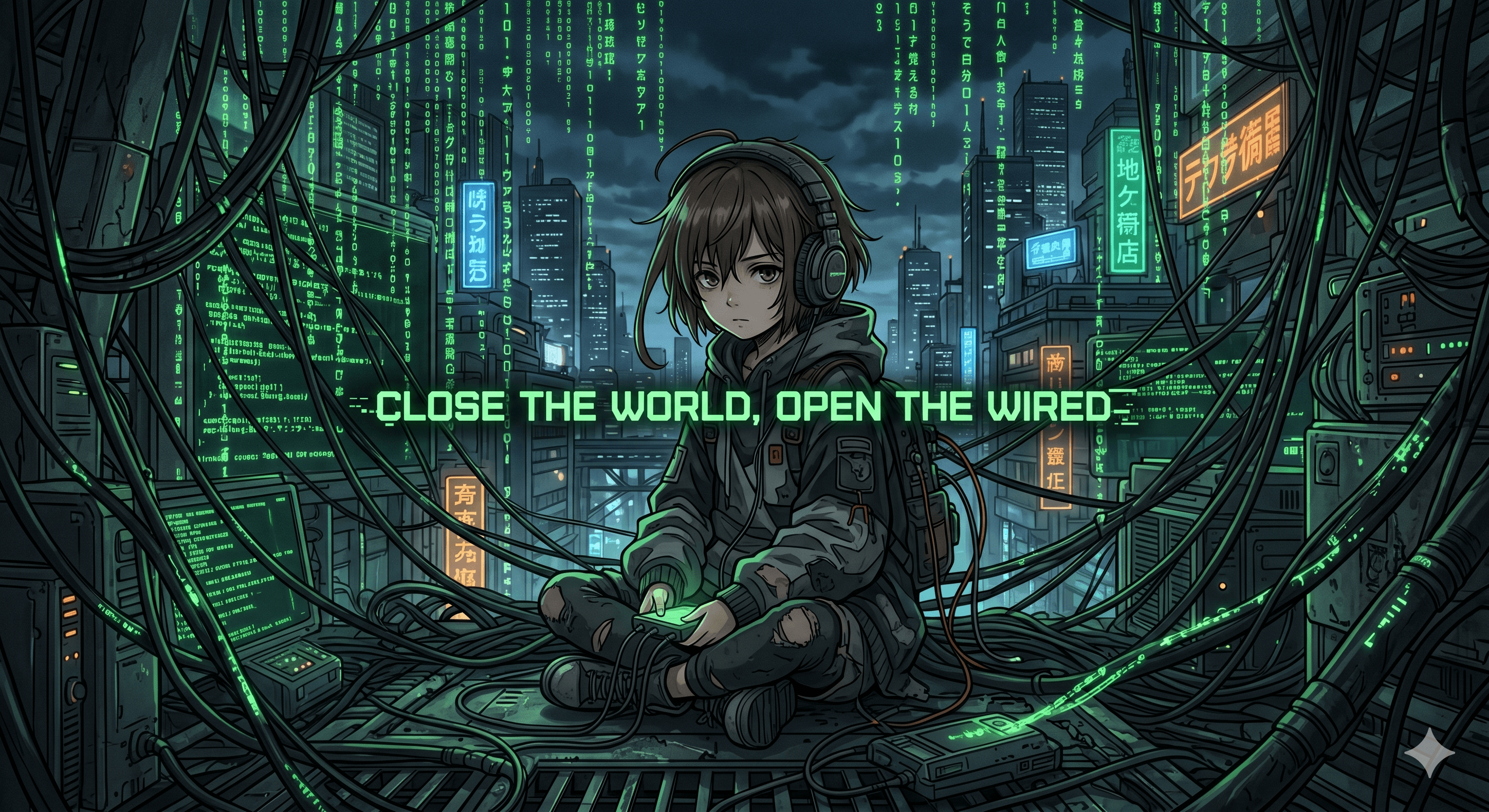
Serial Experiments Lain: A Prophet of the Modern Internet
"No matter where you are, everyone is always connected." We analyze Serial Experiments Lain and its haunting predictions about the digital world.
📚 Enjoying our content? Explore by category or browse all articles