It’s Not About Robots: Why Neon Genesis Evangelion Is a Masterpiece of Depression
Thirty years later, Neon Genesis Evangelion remains the most controversial and analyzed anime in history. We explore the "Hedgehog's Dilemma," defend Shinji Ikari, and explain why this mecha show is actually a story about learning to love yourself.
The Trap of the Mecha Genre
On the surface, Neon Genesis Evangelion looks like every other 90s robot show. Big monsters (Angels) attack Tokyo-3, and teenagers pilot giant biomechanical suits (EVAs) to stop them.
But anyone who has watched past Episode 6 knows that this is a lie. The robots are secondary. The monsters are secondary.
The real battleground is the mind of a 14-year-old boy named Shinji Ikari. Created by Hideaki Anno during a period of severe clinical depression, Evangelion isn't an action series; it is a scream for help, deconstructed into animation.
The Hedgehog's Dilemma
The philosophical core of the series is introduced early on: The Hedgehog's Dilemma.
The concept is simple: Hedgehogs want to get close to each other for warmth, but the closer they get, the more they hurt each other with their spikes. Humans are the same. We crave connection/intimacy, but opening ourselves up to others invites pain, rejection, and betrayal.
Every character in Eva represents a different reaction to this dilemma:
- Shinji runs away to avoid pain.
- Asuka attacks others before they can hurt her.
- Rei disconnects from humanity entirely.
- Misato uses physical intimacy to mask emotional distance.
It is a painful, raw look at why we push people away, even when we are lonely.
In Defense of Shinji Ikari
For decades, casual viewers have hated Shinji. "Get in the robot, Shinji!" became a meme. They call him a coward, a crybaby, a wimp.
These people miss the point entirely.
Shinji is the most realistic portrayal of a 14-year-old child soldier ever put on screen. He isn't Goku or Naruto. He doesn't want to be a hero; he just wants his father to love him. He is terrified of dying and terrified of failing.
If you were handed the keys to a nightmare machine and told to fight an Eldritch abomination, you wouldn't shout a cool catchphrase. You would cry. Shinji is us. And hating him is often a reflection of hating our own vulnerabilities.
Own the History: To truly understand the series, you need to watch the original broadcast version and the movie. Get the Neon Genesis Evangelion: Complete Series (Blu-ray) on Amazon.
The End of Evangelion: A Cinematic Breakdown
The series finale (and the subsequent film, The End of Evangelion) abandons traditional storytelling for pure visual psychology. It breaks down the "AT Field"—the barrier of the soul—and merges all human consciousness into one.
It’s confusing, terrifying, and arguably the greatest cinematic sequence in anime history. It forces Shinji (and the audience) to make a choice: Is individual life worth living, even if it means feeling pain?
The answer the show arrives at is a hesitant, beautiful "Yes."
Conclusion: "Congratulations!"
Neon Genesis Evangelion is timeless because depression and loneliness are timeless. It doesn't offer a cure, but it offers understanding. It tells you that it is okay to run away sometimes, but eventually, you have to accept yourself, flaws and all.
If you haven't revisited this series as an adult, do it. You will see a completely different show than the one you watched as a kid.
Read the Alternative: The manga adaptation by Yoshiyuki Sadamoto takes a slightly different route with Shinji’s character and the ending. Many fans actually prefer it. Start with the Neon Genesis Evangelion Vol. 1 on Amazon.
Do you relate more to Shinji, Asuka, or Rei? Let’s analyze your trauma in the comments below.
You Might Also Like
View All→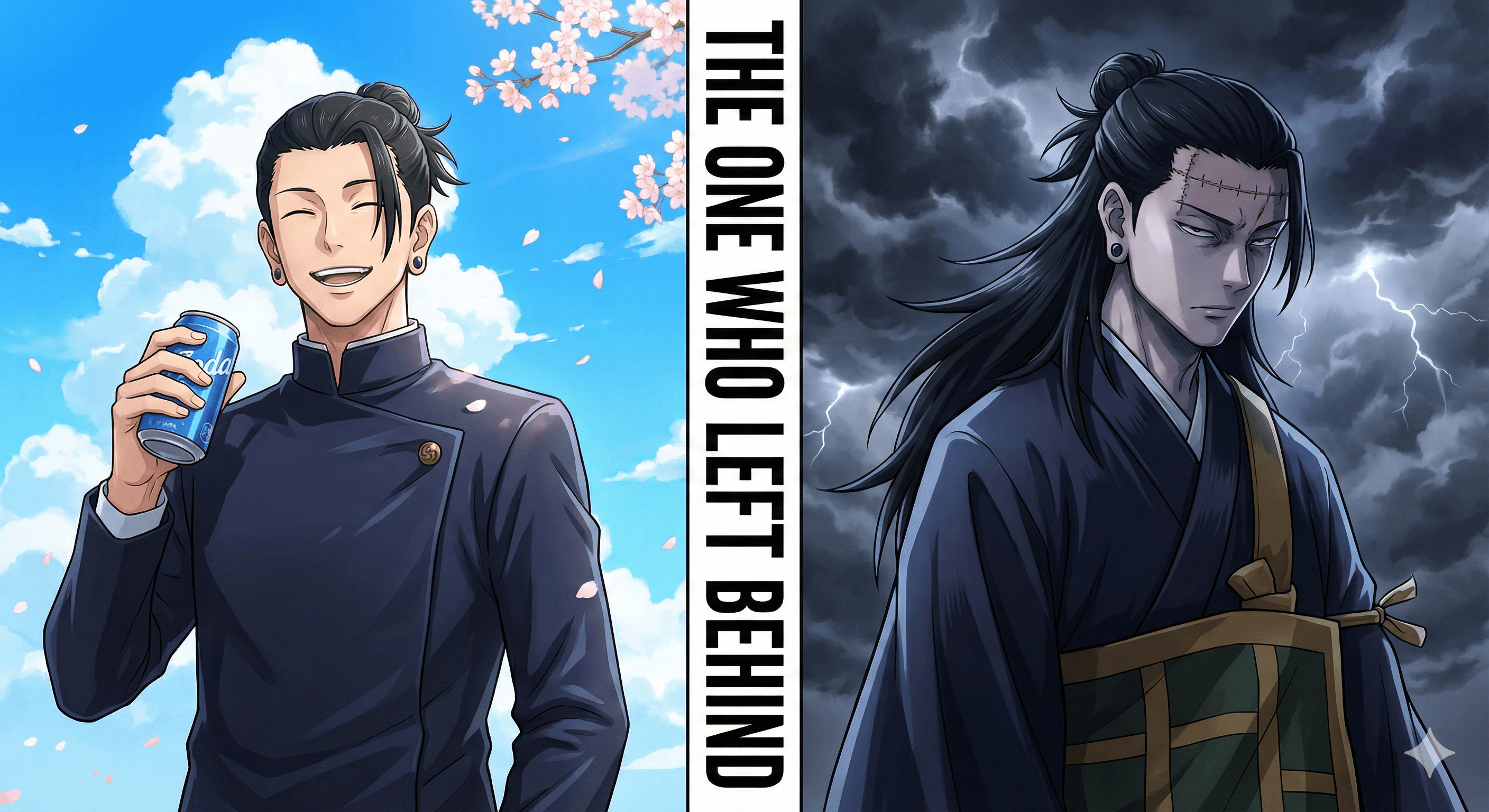
The Tragedy of Geto Suguru: When Being "The Strongest" Isn't Enough
"Are you the strongest because you are Gojo Satoru? Or are you Gojo Satoru because you are the strongest?" We analyze the heartbreaking descent of Geto Suguru and why he is the most tragic villain in Jujutsu Kaisen.
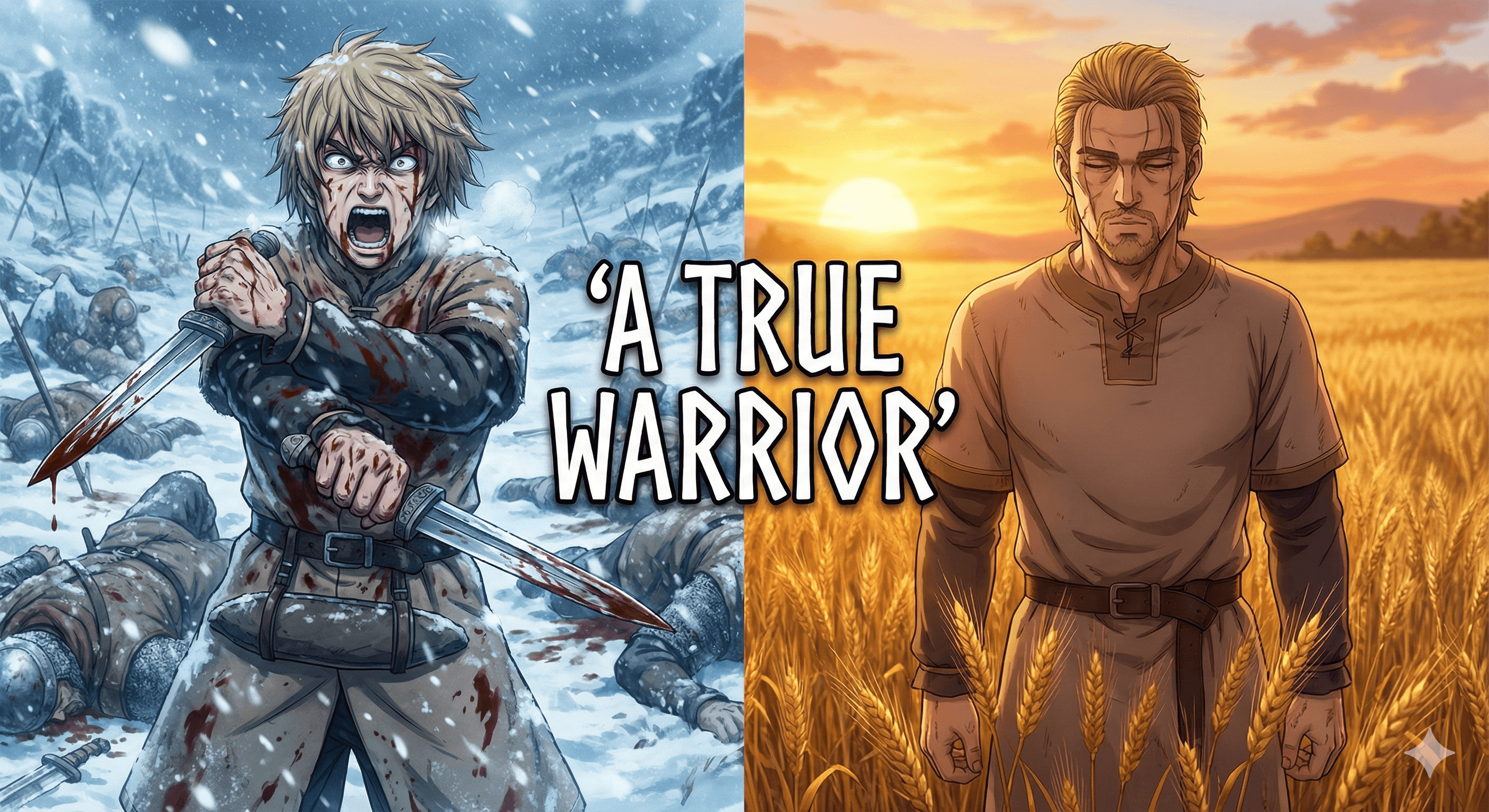
"I Have No Enemies": Why Vinland Saga is the Antidote to Modern Shonen
Most anime teach you to fight harder. Vinland Saga teaches you that fighting is pointless. We analyze Thorfinn’s journey from a rage-filled viking to a true warrior, and why his philosophy is life-changing.
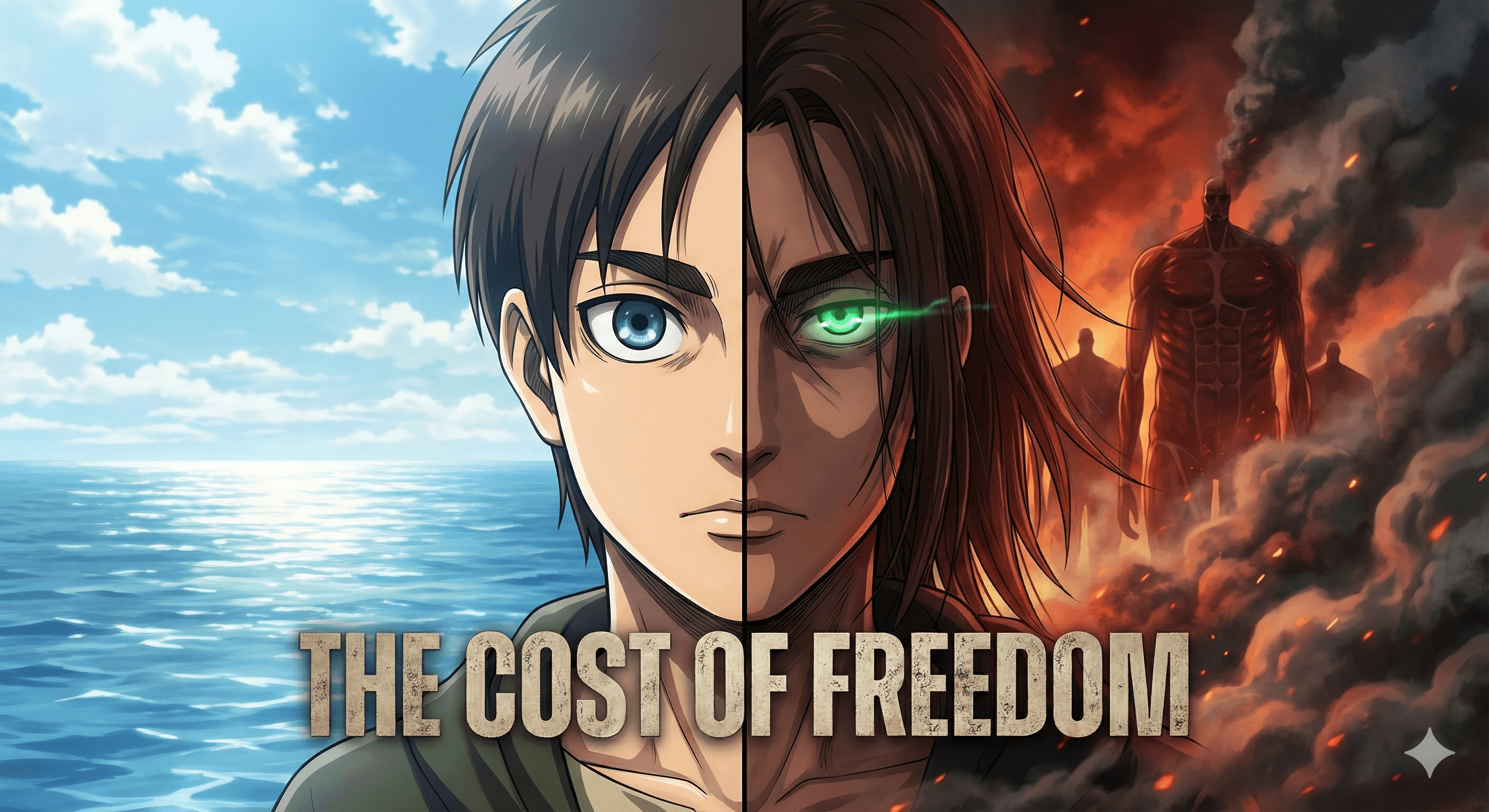
The Tragedy of Freedom: Was Eren Yeager Right? A Deep Dive into Attack on Titan
Years later, the ending of Attack on Titan still divides the internet. In this deep analysis, we explore the philosophy of Eren Yeager, the cycle of hatred, and whether the Rumbling was a monstrous necessity or a tragic mistake.
📚 Enjoying our content? Explore by category or browse all articles