The Struggler: Why Guts is the Most Human Character in Fiction
In a world ruled by demons and destiny, one man refuses to die. We analyze the philosophy of Berserk, the concept of Causality, and why Guts' struggle against fate is the ultimate story of hope.
The Man Against the World
When we first meet Guts, he seems like a generic 90s edgelord. He kills, he screams, he pushes people away. But as we peel back the layers of the Golden Age Arc, we realize that his rage is a shield.
Berserk isn't about fighting monsters. It’s about Trauma Response.
Guts is a man who was born from a corpse, abused as a child, betrayed by his best friend, and marked for death by gods. By all logic, he should give up. He should lay down and die.
But he doesn't. He swings his sword. Again. And again.
Destiny vs. Free Will
The central theme of Berserk is the battle against Causality (Fate). The villains (The God Hand) believe that humans are puppets, floating in the current of destiny. Everything is pre-ordained.
Guts is the glitch in the system. He is the fish that jumps out of the river.
Every time he survives a night against the Apostles, he proves that human will is stronger than divine fate. He represents the sheer, stubborn refusal to let the universe decide your ending.
Read the Masterpiece: To understand the depth of Miura’s art, you need the large format. The Berserk Deluxe Editions are the best way to experience this saga. Check the Berserk Deluxe Edition Complete Collections
Healing is a Battle
The later arcs of Berserk (often criticized by action fans) are actually the most profound. Guts stops fighting just to survive and starts fighting to protect.
He gathers a new party. He learns to trust again. The "Black Swordsman" slowly becomes a father figure.
It teaches us that healing from trauma is harder than killing demons. It requires vulnerability. Guts shows us that true strength isn't about being alone; it's about carrying the weight of others, even when your knees are shaking.
Conclusion: Keep Struggling
Kentaro Miura left us a message before he passed: "Struggle, endure, contend."
Life is hard. Sometimes it feels like a chaotic Eclipse. But Berserk reminds us that as long as we are breathing, we have the power to swing our sword one more time.
Is Griffith wrong? Or is he just a dreamer who sacrificed everything? Debate the morality of the Eclipse in the comments!
You Might Also Like
View All→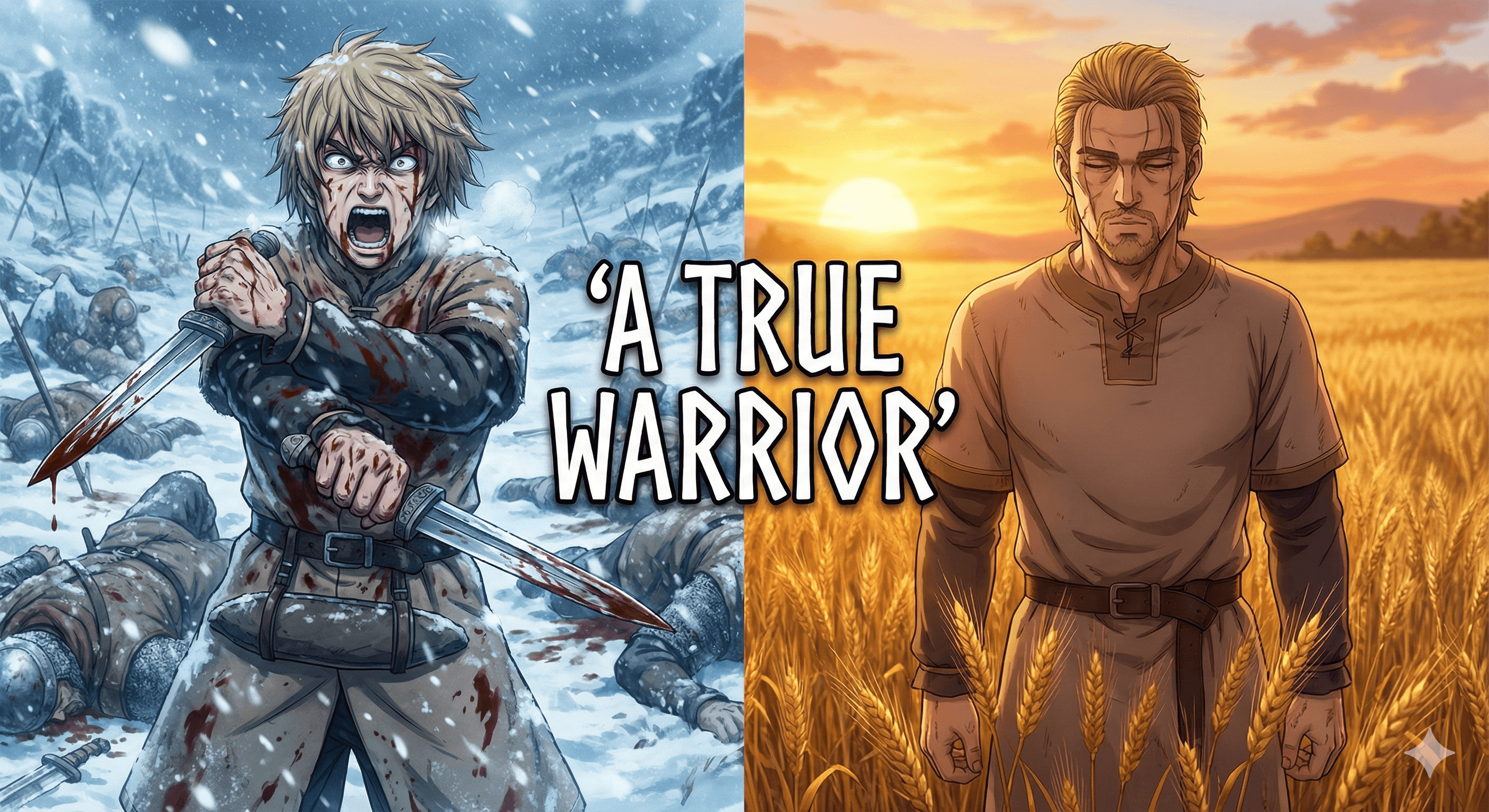
"I Have No Enemies": Why Vinland Saga is the Antidote to Modern Shonen
Most anime teach you to fight harder. Vinland Saga teaches you that fighting is pointless. We analyze Thorfinn’s journey from a rage-filled viking to a true warrior, and why his philosophy is life-changing.
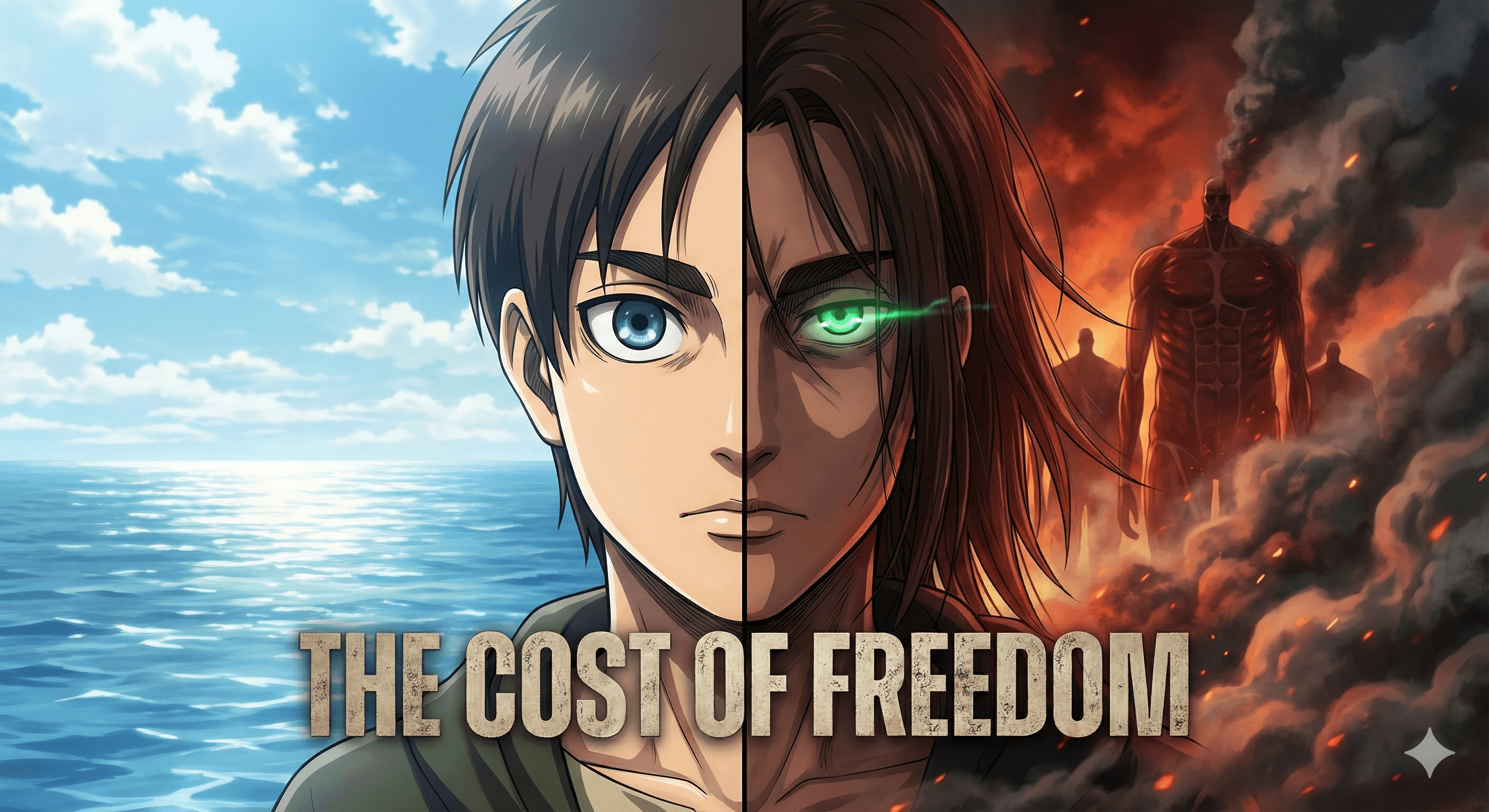
The Tragedy of Freedom: Was Eren Yeager Right? A Deep Dive into Attack on Titan
Years later, the ending of Attack on Titan still divides the internet. In this deep analysis, we explore the philosophy of Eren Yeager, the cycle of hatred, and whether the Rumbling was a monstrous necessity or a tragic mistake.
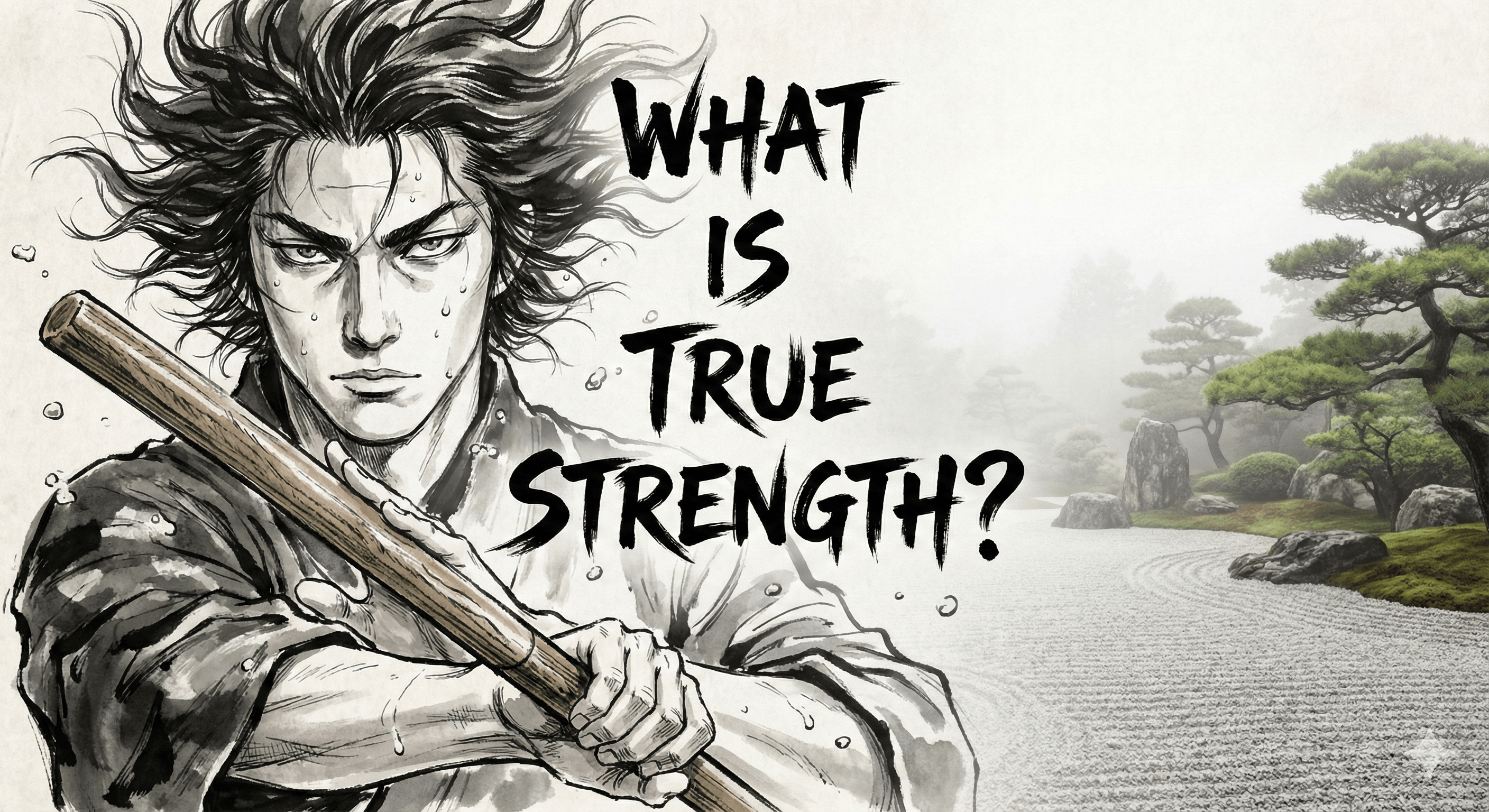
"Invincible is Just a Word": The Philosophy of Strength in Vagabond
Is true strength about killing your enemies, or conquering yourself? We analyze Takehiko Inoue’s masterpiece Vagabond and Miyamoto Musashi’s journey to understand why "Invincible" is nothing but a heat haze.
📚 Enjoying our content? Explore by category or browse all articles