The Icarus Metaphor: Why Cyberpunk: Edgerunners is a Perfect Tragedy
He flew too close to the neon sun. We analyze the tragic downfall of David Martinez, the horrors of Cyberpsychosis, and why Studio Trigger created a masterpiece.
Studio Trigger’s Cyberpunk: Edgerunners did the impossible: it saved the reputation of a broken video game and delivered one of the most heartbreaking anime of the decade. But beneath the neon lights, hyper-violence, and incredible soundtrack, the story is a classic Greek tragedy.
David Martinez is a modern-day Icarus.
In Greek mythology, Icarus is given wings of wax and warned not to fly too close to the sun. In Night City, the wings are "Chrome" (cybernetic implants), and the sun is the corporate hierarchy of Arasaka.
The Illusion of Being "Special" David’s downfall is rooted in the belief that he is "built different." Unlike others who succumb to Cyberpsychosis—a mental breakdown caused by installing too much technology into a human body—David believes his high tolerance makes him immune.
This arrogance is fueled by trauma. After losing his mother, David inherits her dream of reaching the top of Arasaka Tower. He replaces his flesh with metal to carry the weight of everyone else's expectations: his mother's, Maine's, and Lucy's.
A City That Always Wins The brilliance of Edgerunners is that Night City is the true antagonist. The city is designed to consume hope. David’s descent into Cyberpsychosis isn't framed as a superhero getting a dark power-up; it is framed as an addiction. He literally loses his humanity piece by piece, shivering and hallucinating, trading his soul for the power to protect his crew.
The ending hurts because it is inevitable. You cannot beat Night City. David reaches the top of Arasaka Tower, fulfilling his mother's dream, but he does it as a hollowed-out machine. He flew too close to the sun, and the chrome melted. But in his final moments, as he looks at the moon, he smiles. He didn't win, but he made sure Lucy could fly.
You Might Also Like
View All→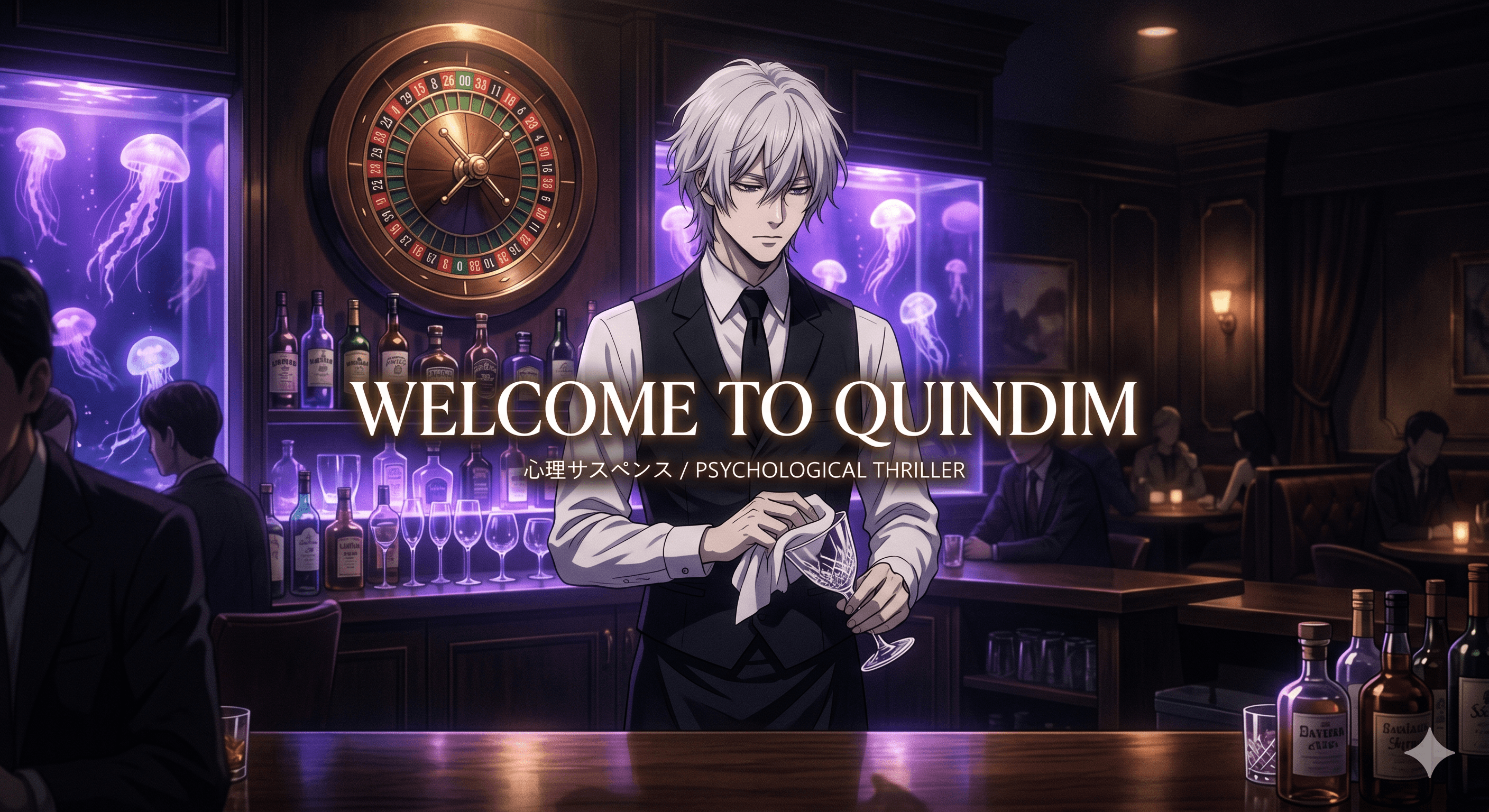
How Do We Judge a Soul? The Morality of Death Parade
When you die, you go to a bar to play a game. We explore the psychological depth of Death Parade, the flaw of absolute judgment, and the beauty of human emotion.
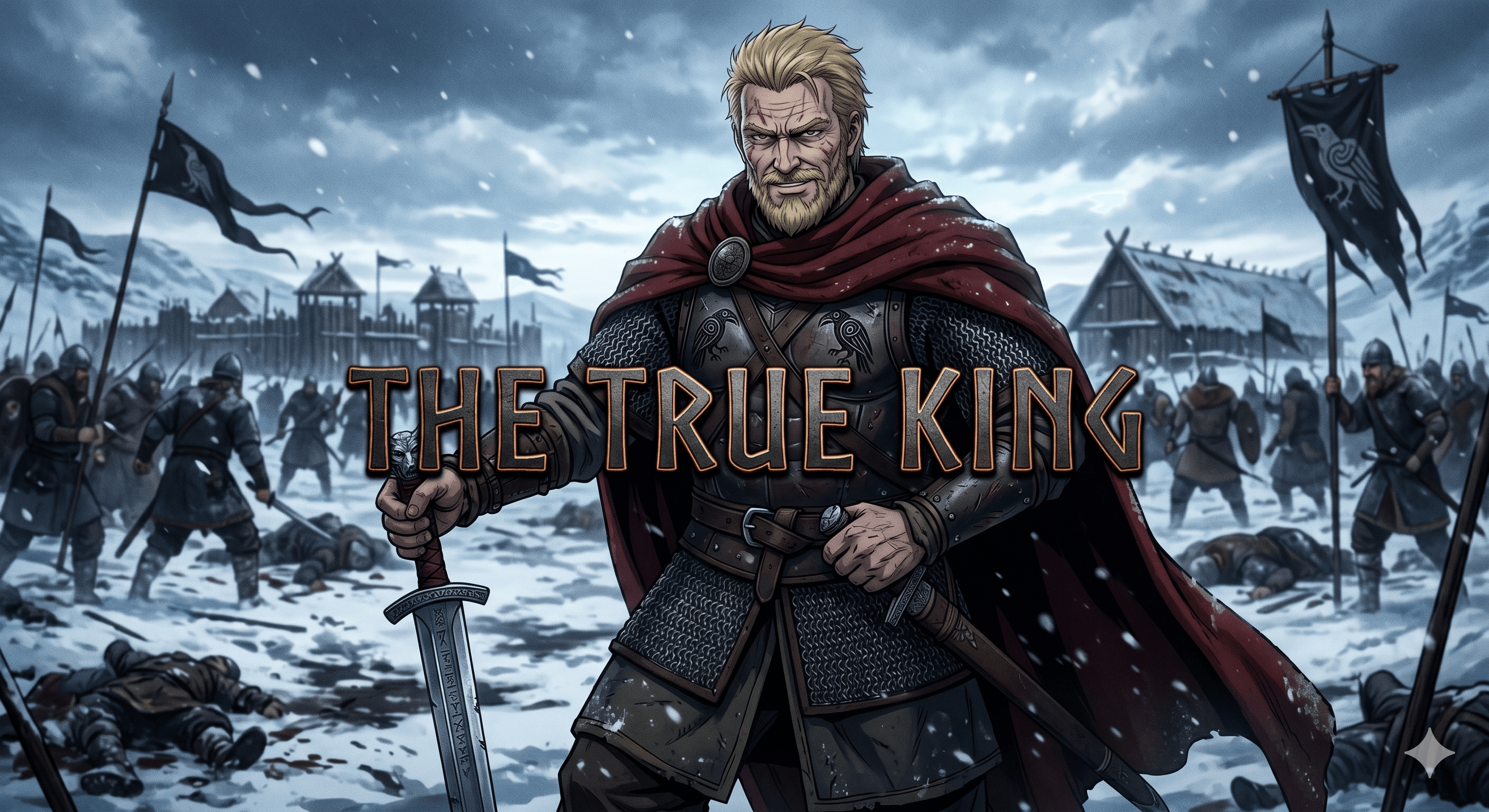
The Perfect Antagonist: Why Askeladd Carries Vinland Saga Season 1
He murdered the protagonist's father, yet we couldn't help but root for him. We dissect the complex psychology of Askeladd, the ultimate anti-villain of Vinland Saga.
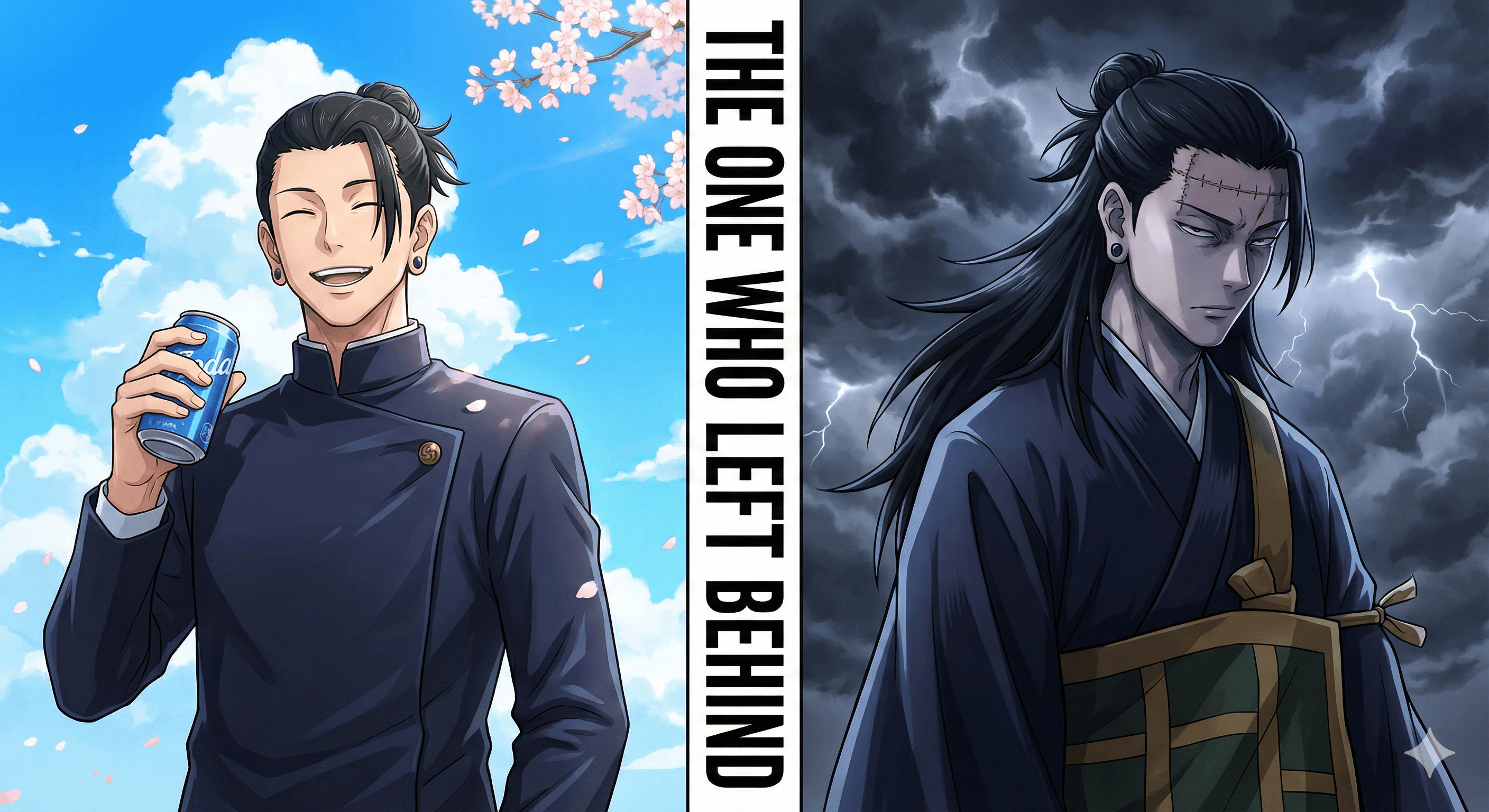
The Tragedy of Geto Suguru: When Being "The Strongest" Isn't Enough
"Are you the strongest because you are Gojo Satoru? Or are you Gojo Satoru because you are the strongest?" We analyze the heartbreaking descent of Geto Suguru and why he is the most tragic villain in Jujutsu Kaisen.
📚 Enjoying our content? Explore by category or browse all articles