The Nameless Monster: Dissecting Johan Liebert's True Identity
He is considered the greatest villain in anime history. But who is Johan Liebert? We dive into Naoki Urasawa's Monster to dissect the psychology of pure nihilism.
In the pantheon of anime villains, there are aliens who blow up planets and gods who warp reality. But none of them are as terrifying as a young, polite blonde man in a tailored suit.
Johan Liebert from Naoki Urasawa’s Monster has no superpowers. His weapon is simply his understanding of human despair. He is terrifying because he could easily exist in the real world.
The Fiction of the Self To understand Johan, you have to look at the children's book that defines his existence: The Nameless Monster. Johan’s ultimate goal isn't to rule the world or gain wealth. His goal is the "Perfect Suicide"—to erase every person who knows him, destroy every record of his existence, and then die, as if he was never born at all.
Why? Because Johan experienced the ultimate trauma of identity loss at Kinderheim 511. He isn't actually a mastermind with a grand evil plan; he is an empty vessel. He kills not out of hatred, but because he genuinely believes life has no intrinsic value.
The Antithesis of Tenma This is what makes the dynamic between Johan and Dr. Tenma a masterpiece. Tenma believes that all lives are created equal and must be saved. Johan believes that the only thing humans are equal in is death.
Johan spends the entire series trying to force Tenma to pull the trigger. He wants Tenma to kill him, because if the ultimate savior of life takes a life, Johan’s nihilistic philosophy wins. Monster is a 74-episode debate about the value of human life, and Johan is the most compelling devil's advocate ever written.
You Might Also Like
View All→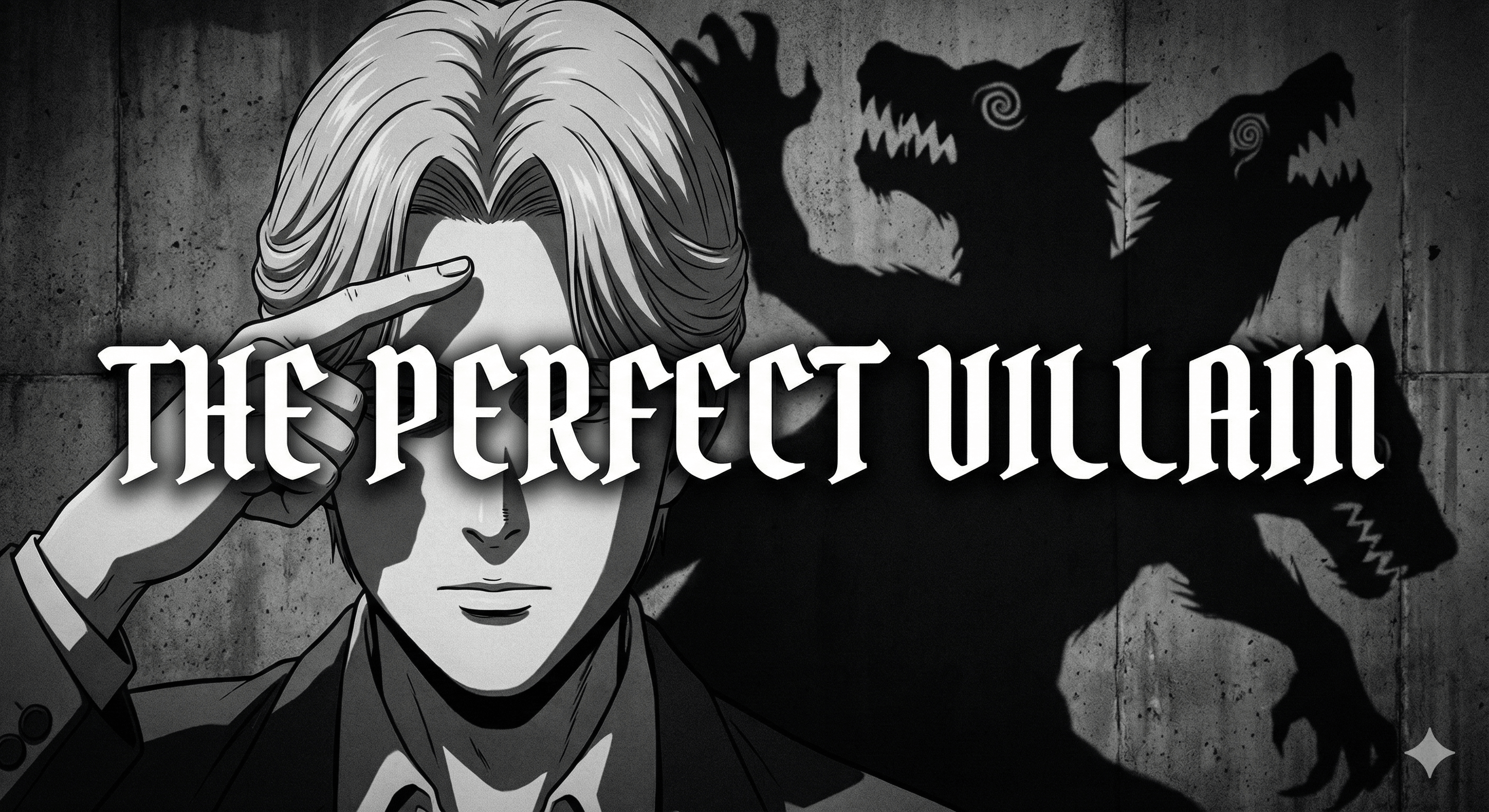
The Monster Inside Us: Why Johan Liebert is the Scariest Villain in Anime History
He has no superpowers. He doesn't scream. He just talks. We analyze Naoki Urasawa's masterpiece Monster and dissect the terrifying psychology of Johan Liebert to answer one question: Is evil born or made?
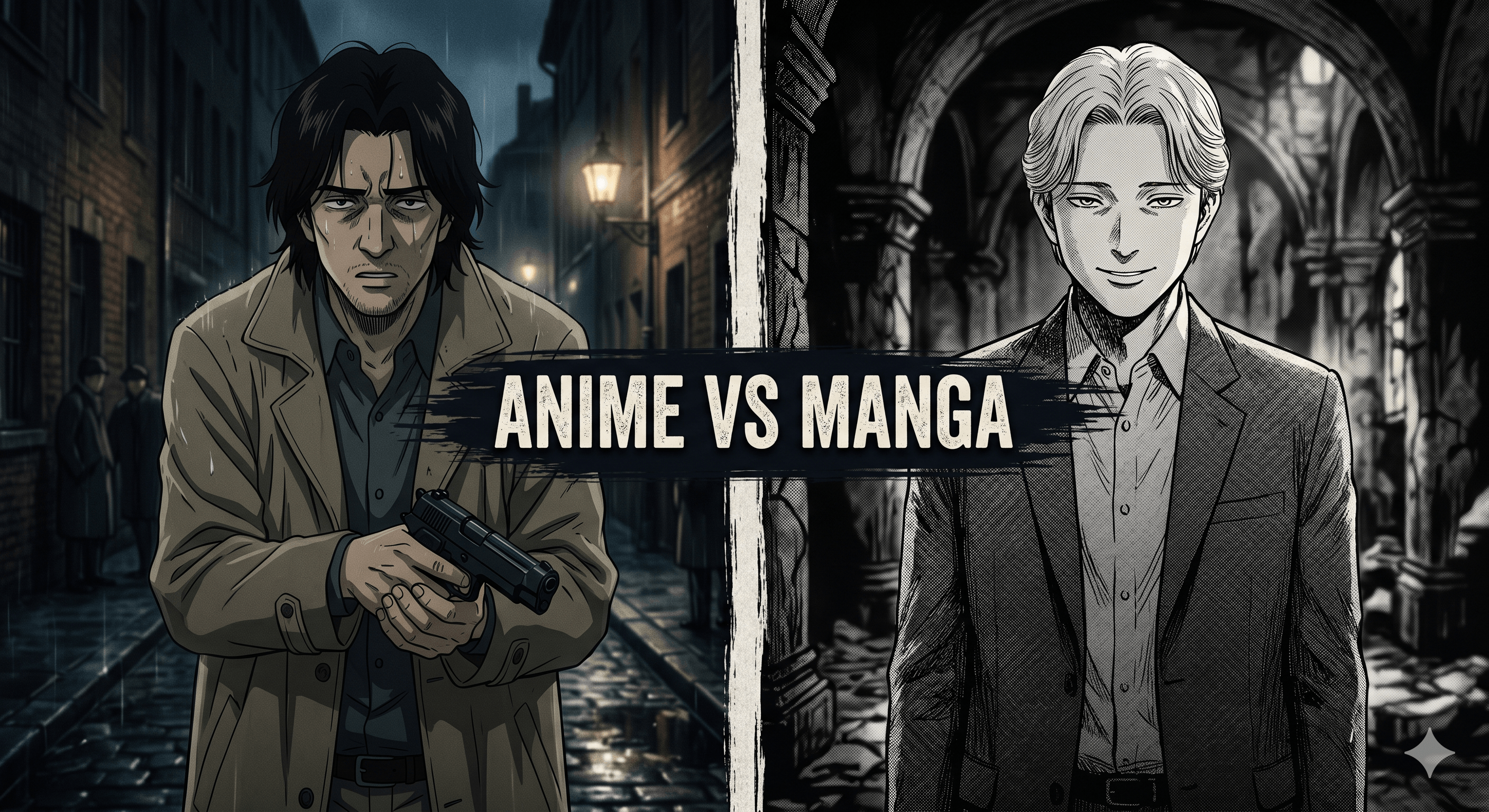
Monster: Anime vs. Manga – What Are the Differences in the Final Arc?
Madhouse's adaptation of Naoki Urasawa's Monster is incredibly faithful, but are there differences in the ending? We break down the anime vs. manga debate.
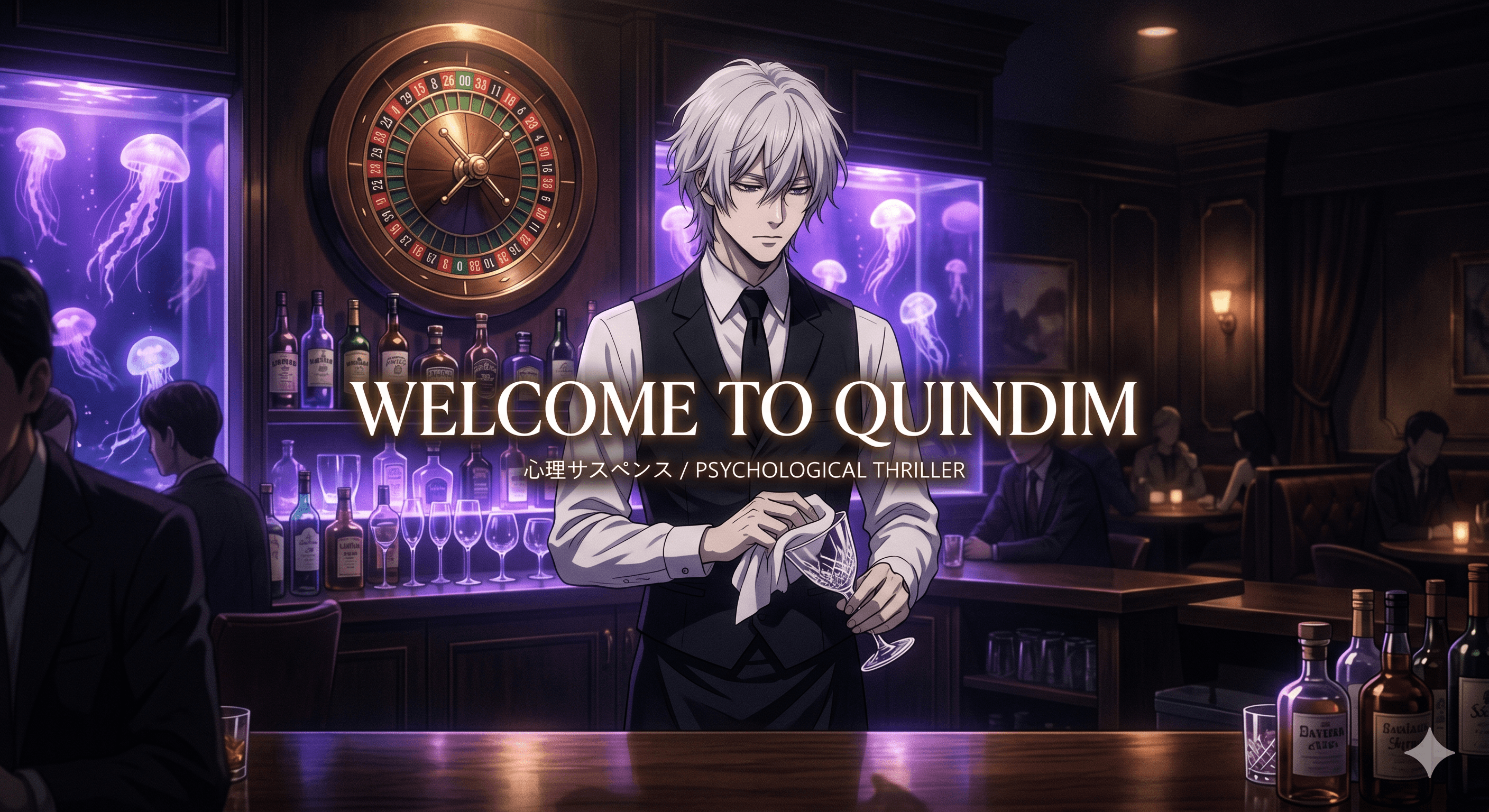
How Do We Judge a Soul? The Morality of Death Parade
When you die, you go to a bar to play a game. We explore the psychological depth of Death Parade, the flaw of absolute judgment, and the beauty of human emotion.
📚 Enjoying our content? Explore by category or browse all articles