Savior or Psychopath? Why We Still Debate Light Yagami 20 Years Later
If you had the power to kill criminals with a name, would you do it? We analyze the moral decay of Light Yagami in Death Note and why the battle between Kira and L is the greatest chess match in anime history.
The God Complex
Most villains know they are evil. Light Yagami genuinely believes he is the hero.
Death Note isn't just a thriller; it's a psychological experiment. It hands the ultimate weapon to a bored, genius teenager and asks: "What happens when a human tries to become God?"
At first, we root for him. He kills murderers. But the brilliance of the writing is how slowly and subtly Light shifts from "Justice" to "Ego." By the time he kills innocent FBI agents just to protect his secret, the line is crossed. But because we are seeing the story from his perspective, we are complicit.
L: The Mirror of Justice
If Light is Order through Fear, L is Justice through Chaos.
L is weird, disheveled, and unethical. He breaks the law to catch Kira. But he represents the terrifying truth that Light refuses to accept: Murder is murder, no matter the excuse.
The mental chess match between them—using potato chips, tennis matches, and fake rules—is legendary because they are two sides of the same coin. Both are childish, both hate losing, and both claim to be "Justice."
Read in Style: The Black Edition manga volumes are stunning, with black-edged pages that look incredible on a shelf. Start your collection with Death Note Black Edition Vol. 1 on Amazon.
The Ending: A Human Death
Without spoiling the specifics, the ending of Death Note is a masterclass in irony. For a man who wanted to be a God, Light meets a pathetic, terrified, and very human end.
It serves as a final reminder: Humans were not meant to decide who lives or dies. The power to kill is a curse, not a gift.
Conclusion: Would You Write the Name?
The scary part of Death Note isn't the Shinigami. It's the fact that, deep down, a part of us agrees with Light.
Are you Team Kira or Team L? Does the end justify the means? Debate in the comments!
You Might Also Like
View All→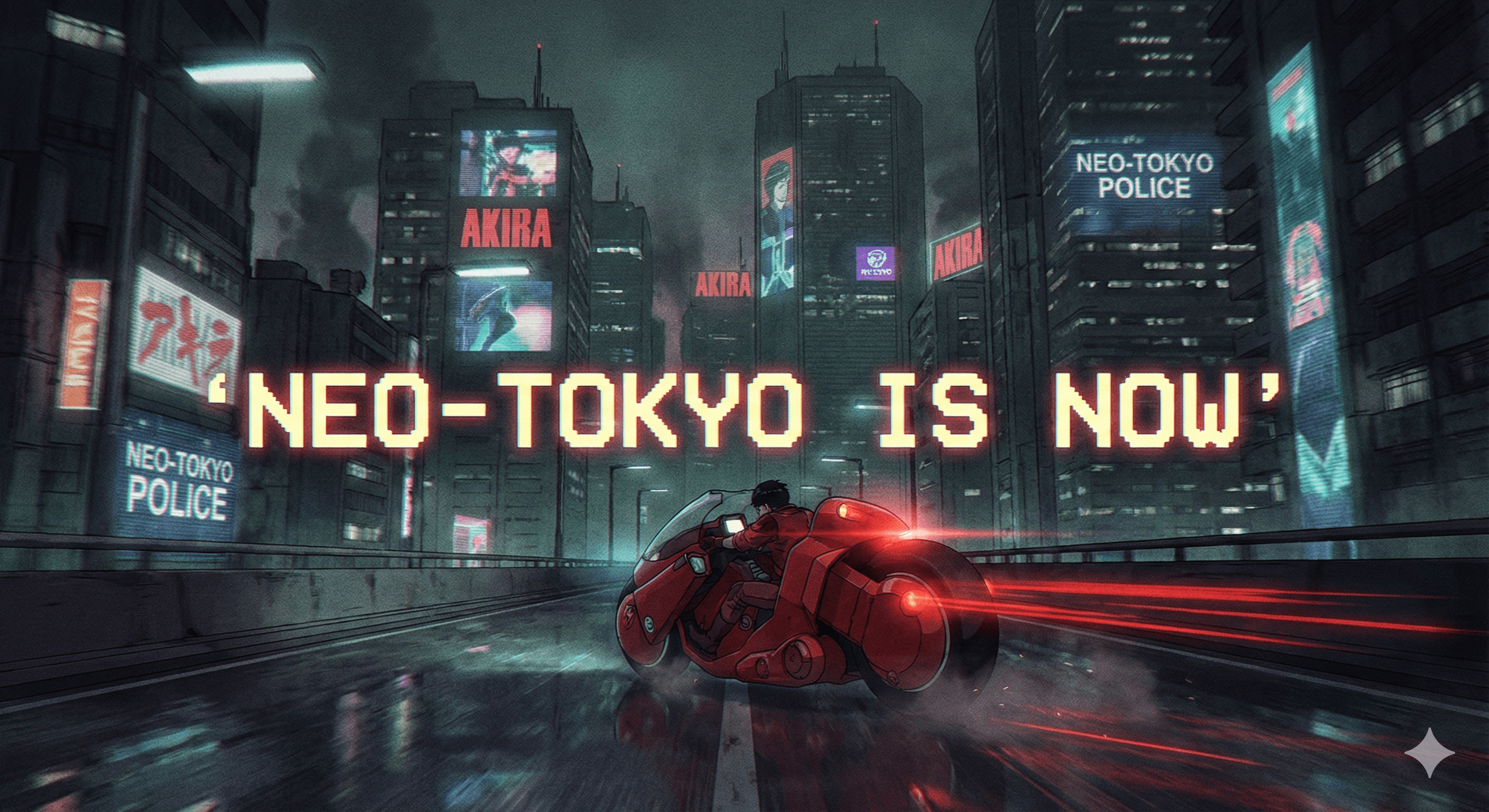
The Prophecy of Neo-Tokyo: Why Akira Is Still the King of Cyberpunk
It predicted the Olympics, societal collapse, and the rise of a new world order. We analyze Katsuhiro Otomo’s Akira and explain why the manga is a vastly different (and superior) beast compared to the legendary movie.
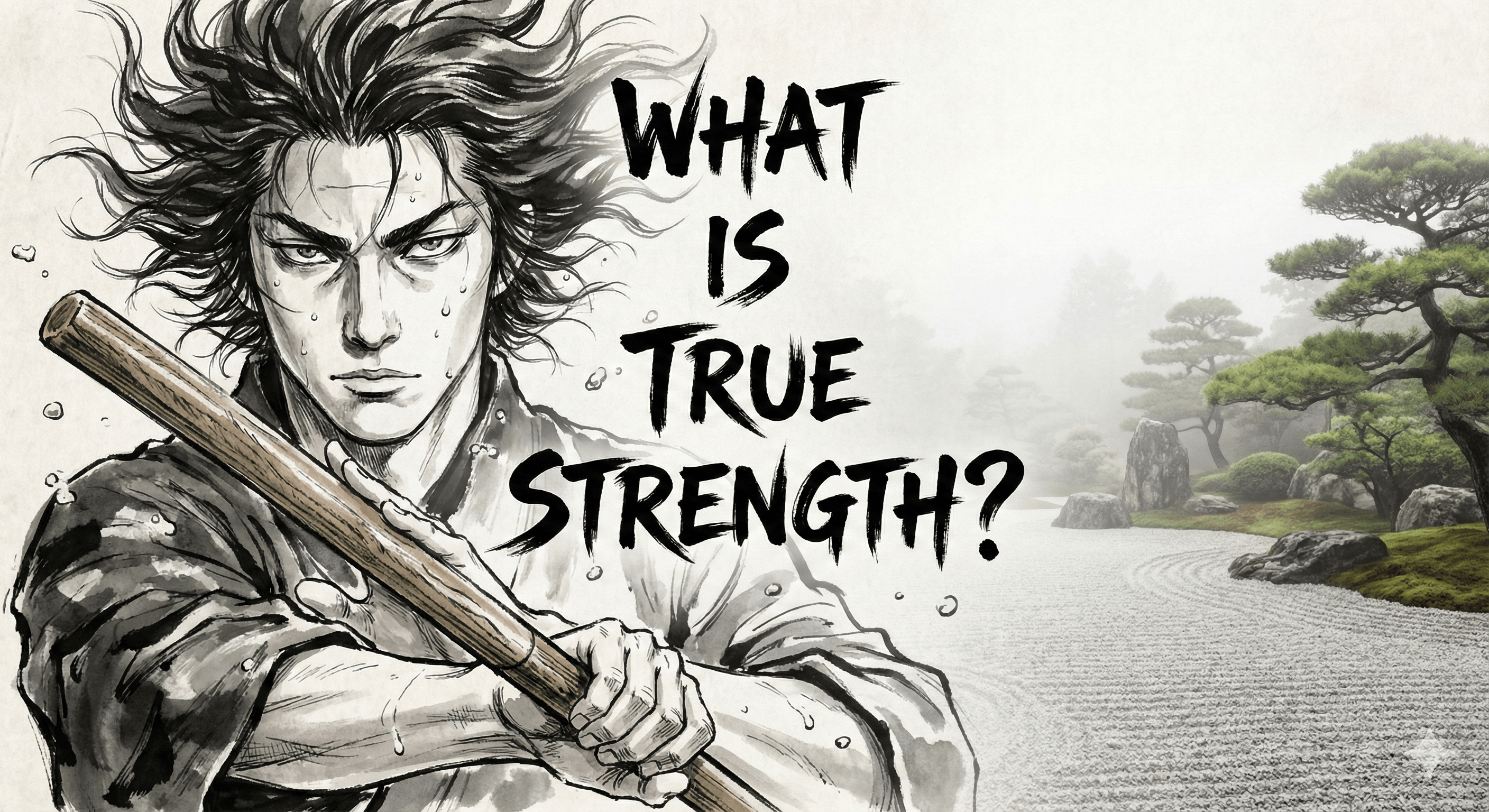
"Invincible is Just a Word": The Philosophy of Strength in Vagabond
Is true strength about killing your enemies, or conquering yourself? We analyze Takehiko Inoue’s masterpiece Vagabond and Miyamoto Musashi’s journey to understand why "Invincible" is nothing but a heat haze.
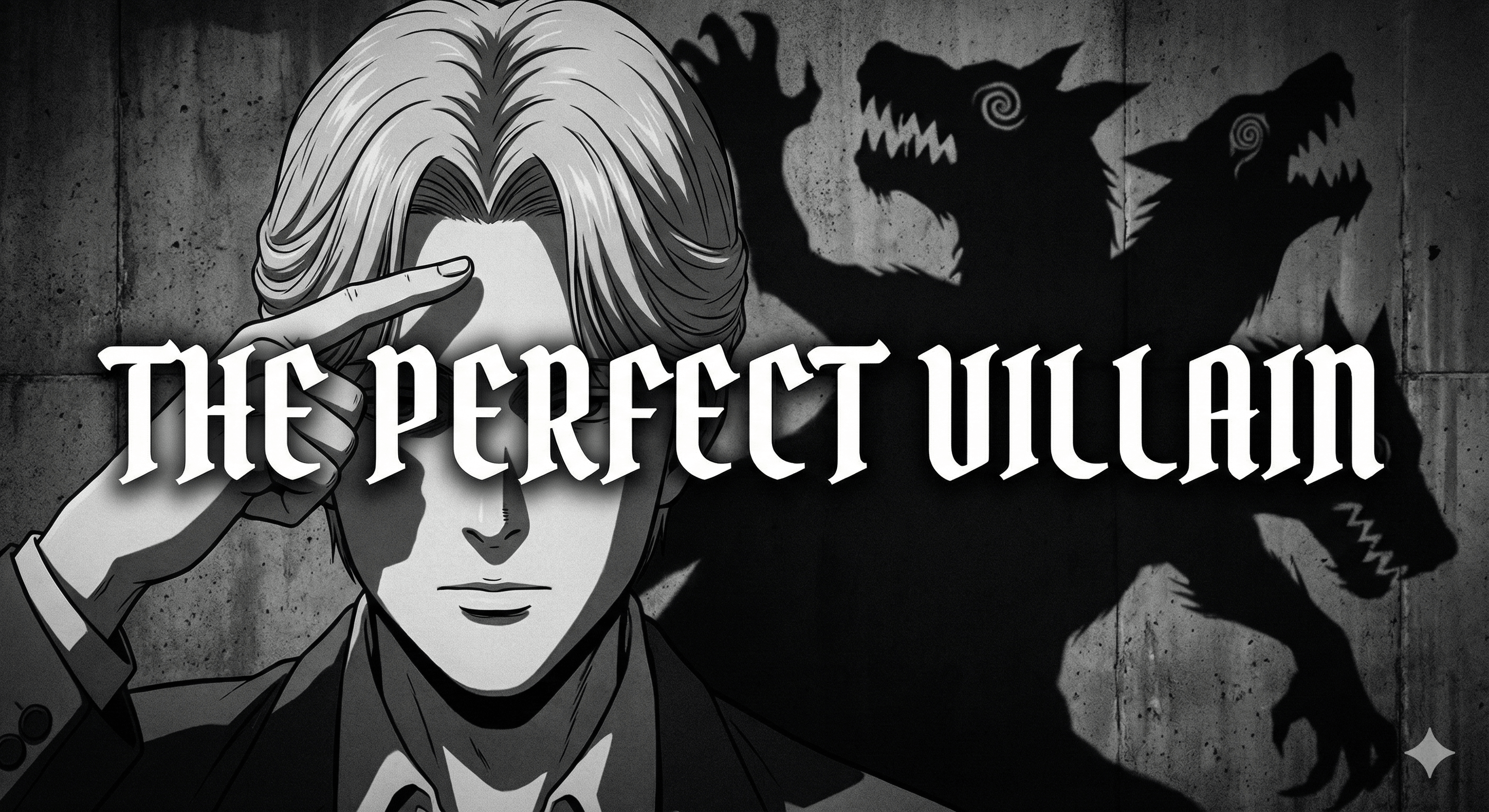
The Monster Inside Us: Why Johan Liebert is the Scariest Villain in Anime History
He has no superpowers. He doesn't scream. He just talks. We analyze Naoki Urasawa's masterpiece Monster and dissect the terrifying psychology of Johan Liebert to answer one question: Is evil born or made?
📚 Enjoying our content? Explore by category or browse all articles